Commit to Morning Movement (Even If It’s Just 10 Minutes)
Start your day by moving nothing fancy, nothing extreme. Think light cardio, a brisk walk, or a few rounds of mobility stretches. This isn’t about chasing gains at dawn. It’s about signaling to your body: “Wake up, we’re on.”
Why timing matters? Because how you move first thing often determines how your energy levels play out for the next 10 12 hours. Morning movement gets your blood flowing and nudges your circadian rhythm in the right direction, helping regulate cortisol and fight off the sluggish mid morning fog. Translation: fewer crashes, more focus.
Simple routines can do the trick. Five minutes of jump rope, some shoulder rolls, bodyweight squats, or a yoga flow on the mat. Something you can do without thinking or prepping. The goal isn’t perfection. It’s priming your system physically and mentally for the day ahead.
Prioritize Protein at Every Meal
You can’t talk endurance without talking repair. Every time you move, train, or just get through a long day, your muscles take on micro damage. That’s the cost of activity and protein is how your body pays it back. Miss the intake, and recovery stalls. Energy tanks. Progress flatlines. Whether you’re lifting heavy or chasing kids around the house, protein keeps you going.
Balanced macros also help keep endurance stable throughout the day. Too many carbs alone and you crash. Too much fat without the rest and you drag. A tight balance of protein, complex carbs, and healthy fats keeps your body running like a machine. Think fewer spikes and crashes, more steady fuel.
Pressed for time? Here are a few high protein snacks that don’t need meal prep:
Greek yogurt with a spoon of nut butter
Boiled eggs plus a handful of almonds
Tuna packs or jerky with a piece of fruit
Cottage cheese and sliced cucumber
A protein shake and rice cakes
It’s not about obsessive tracking. It’s about making sure every meal does more for you. Start with protein then build around it.
Use Active Recovery Instead of Total Rest
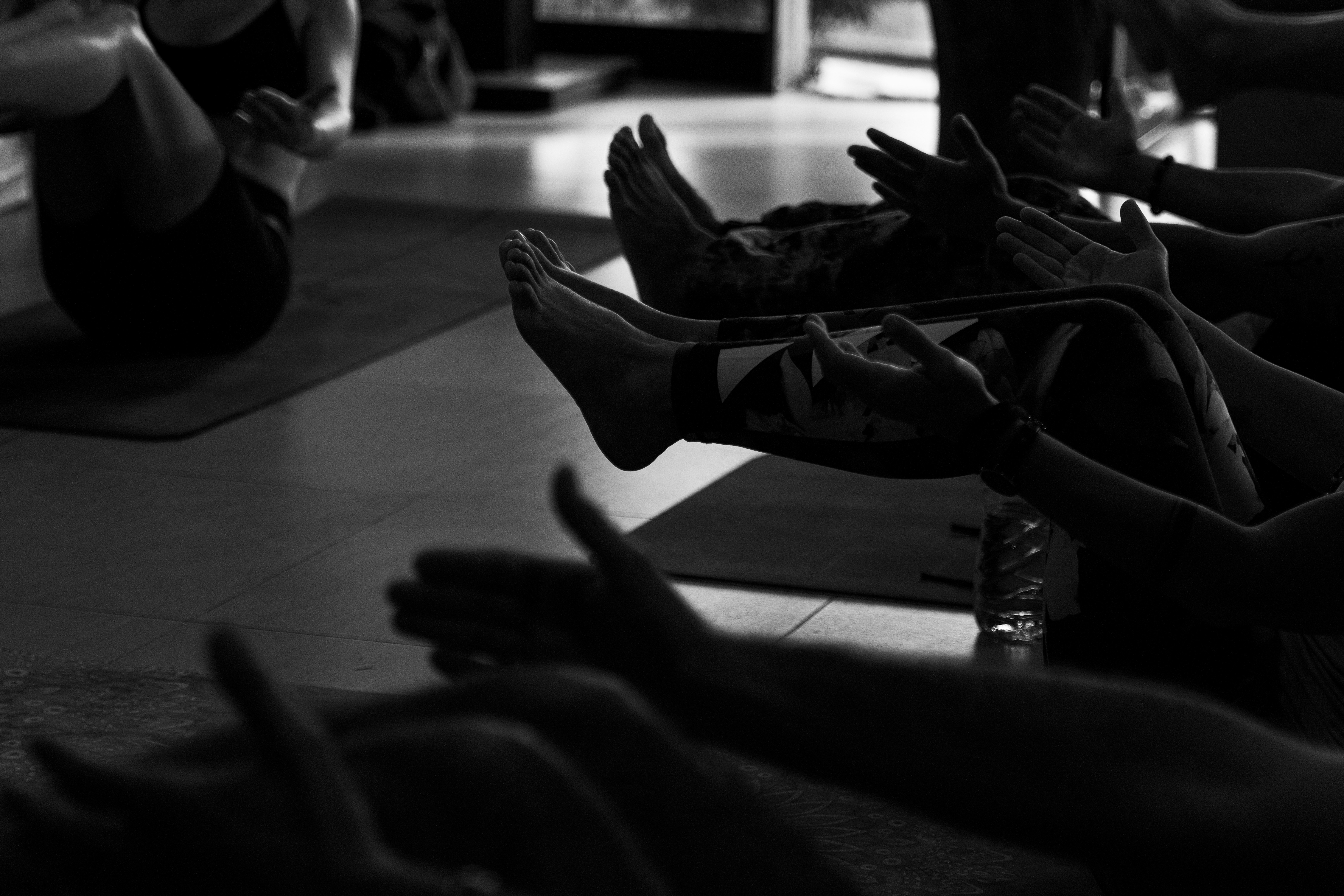
The old model of complete rest days is fading. In 2026, it’s all about movement just not maximal effort. Why? Because the body responds better to circulation than stagnation. Blood flow fuels repair. Light activity keeps muscles loose, joints primed, and your engine idling instead of cold starting the next day.
Walking, swimming, or mobility flows don’t tax your system they support it. These low intensity options stimulate recovery, help flush out soreness, and reduce mental burnout. You stay in rhythm without hitting the wall.
Science backs it: active recovery boosts mitochondrial efficiency, accelerates muscle repair, and even helps balance cortisol. Do less, but do something. It’ll keep your body in motion and your momentum intact. Total rest has its place, but regular light movement keeps the machine tuned and ready.
Train Endurance with Intent, Not Burnout
Winging your workouts is a fast way to hit a wall. The difference between dragging through random training and actually building endurance is simple: structure. Goal based sessions don’t just keep you focused they stop you from overtraining and help your body adapt efficiently.
Start by asking what you’re training for. General stamina? A marathon? A hike with elevation? Your workouts should reflect that specific goal. That’s where heart rate zones come in. Training in the right zone (not just redlining every day) lets your body build real endurance instead of just accumulating fatigue. Zone 2 cardio yes, the steady, boring kind is king here. It builds aerobic capacity without breaking you down.
Recovery pacing is just as critical. Hard sessions only help when you recover properly. That doesn’t mean lying on the couch it means active recovery: walking, light cycling, mobility work. It keeps blood flowing and muscles loose, setting you up for the next session.
If you’re ready to move from guessing to progressing, check out this guide: How to Build a Balanced Weekly Workout Routine for All Levels.
Lock in Sleep and Hydration
Optimal energy and endurance don’t start with workouts they begin with recovery and replenishment. Two of the most overlooked pillars of fitness are sleep and hydration, yet both directly influence stamina, mental clarity, and physical performance.
Why Sleep Comes First
You can’t out train poor recovery. Even the most intense training or disciplined nutrition can’t make up for consistently bad sleep. Over time, sleep debt impairs everything from muscle repair to hormone balance to mental focus.
Aim for 7 9 hours of quality sleep per night
Practice wind down routines: no screens 60 minutes before bed, light stretching, or reading
Try consistent sleep/wake times even on weekends
Hydration: Small Effort, Big Payoff
Hydration isn’t just about avoiding thirst it’s foundational for endurance and muscle function. Even mild dehydration can reduce performance and increase fatigue unexpectedly.
Start your day with a full glass of water
Aim for half your body weight in ounces daily (more with exercise)
Add electrolyte tabs or a pinch of salt to support balance after intense workouts
Small Shifts That Stick
You don’t need drastic changes just smarter, consistent habits:
Pair water with existing routines (e.g. after each bathroom break, drink a glass)
Use reminders or hydration tracking apps
Create a bedtime ritual that signals rest: dim lighting, light music, or meditation
When sleep and hydration are locked in, everything else training, focus, motivation gets easier.
Build the Real Habit Loop
Forget the all or nothing mindset. Energy and endurance don’t come from pushing yourself to the edge once a week they come from showing up daily in ways that stack over time. It’s not about how hard you go in one workout. It’s whether you keep showing up enough to make momentum your default setting.
One small win like walking for ten minutes instead of skipping activity altogether can flip your whole day. That tiny decision creates a signal: you’re doing the thing. You didn’t opt out. And behavior builds faster from those small, repeatable wins than from any single high intensity grind session.
Look at the people who keep their stamina high over years, not months. It’s rarely because they’re ultra disciplined or extreme. It’s because they’ve locked in habits they don’t skip. A mom of three who knocks out bodyweight circuits at 6AM. A runner who never misses her Sunday miles, no matter the pace. A barista who meal preps protein overnight oats so mornings aren’t a scramble.
Sustainable change looks like that. It’s unsexy. But it works. Every small action you can repeat with minimum mental friction becomes part of your base. Build from there. Don’t burn out trying to do it all at once.
Stay consistent. Keep it simple. Results will stack.
 There is a specific skill involved in explaining something clearly — one that is completely separate from actually knowing the subject. Wendellion Smithens has both. They has spent years working with wellness strategies in a hands-on capacity, and an equal amount of time figuring out how to translate that experience into writing that people with different backgrounds can actually absorb and use.
Wendellion tends to approach complex subjects — Wellness Strategies, Nutrition and Healthy Eating, Fitness Tips and Routines being good examples — by starting with what the reader already knows, then building outward from there rather than dropping them in the deep end. It sounds like a small thing. In practice it makes a significant difference in whether someone finishes the article or abandons it halfway through. They is also good at knowing when to stop — a surprisingly underrated skill. Some writers bury useful information under so many caveats and qualifications that the point disappears. Wendellion knows where the point is and gets there without too many detours.
The practical effect of all this is that people who read Wendellion's work tend to come away actually capable of doing something with it. Not just vaguely informed — actually capable. For a writer working in wellness strategies, that is probably the best possible outcome, and it's the standard Wendellion holds they's own work to.
There is a specific skill involved in explaining something clearly — one that is completely separate from actually knowing the subject. Wendellion Smithens has both. They has spent years working with wellness strategies in a hands-on capacity, and an equal amount of time figuring out how to translate that experience into writing that people with different backgrounds can actually absorb and use.
Wendellion tends to approach complex subjects — Wellness Strategies, Nutrition and Healthy Eating, Fitness Tips and Routines being good examples — by starting with what the reader already knows, then building outward from there rather than dropping them in the deep end. It sounds like a small thing. In practice it makes a significant difference in whether someone finishes the article or abandons it halfway through. They is also good at knowing when to stop — a surprisingly underrated skill. Some writers bury useful information under so many caveats and qualifications that the point disappears. Wendellion knows where the point is and gets there without too many detours.
The practical effect of all this is that people who read Wendellion's work tend to come away actually capable of doing something with it. Not just vaguely informed — actually capable. For a writer working in wellness strategies, that is probably the best possible outcome, and it's the standard Wendellion holds they's own work to.