Start With What You Actually Need
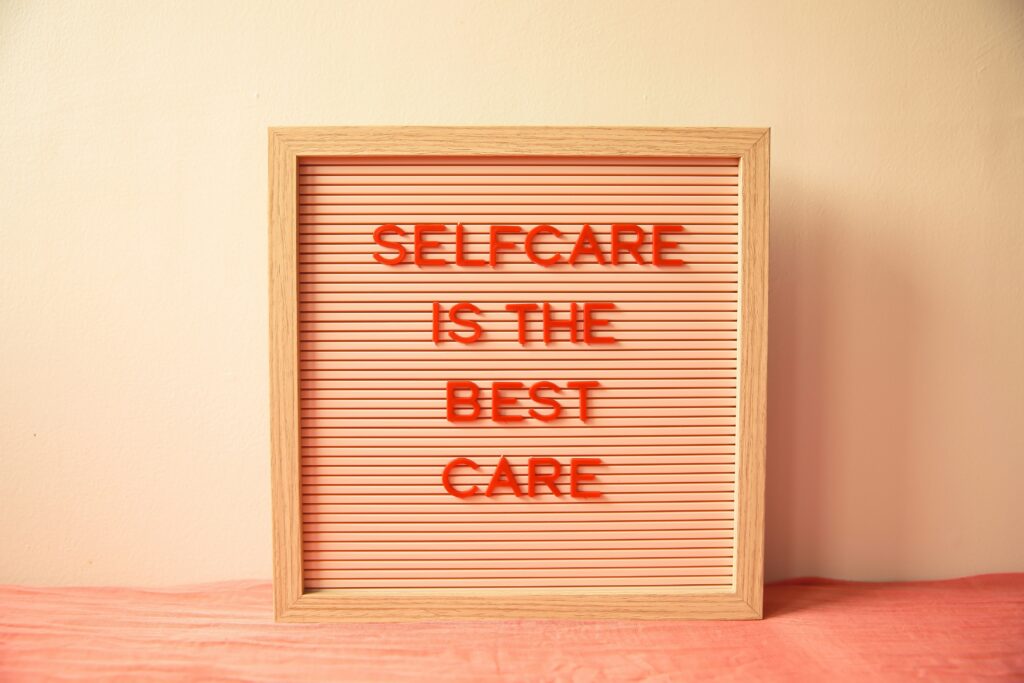
Creating a self care routine begins with identifying what really supports your well being not what looks good on a vision board. Spa days can be great, but if you’re running on fumes, no amount of scented candles will solve deeper exhaustion.
Focus on Sustainability, Not Aesthetics
Forget the picture perfect self care aesthetics. True care is about what helps you function and feel better long term.
It’s not always about silence or solo time, unless that’s what refuels you
Self care should reduce pressure, not add to it
The goal is sustainability something you can maintain even during busy weeks
Identify Where You’re Running Low
Before building routines, pinpoint where you’re feeling depleted. This awareness sets the foundation for what kind of care you actually need.
Physical: Are you tired, sluggish, or ignoring body signals?
Mental: Struggling to focus, stuck in overthinking, or constantly overwhelmed?
Emotional: Feeling disconnected, irritable, or burned out?
Knowing which of these areas needs support helps tailor your approach.
Keep It Brutally Simple at First
Don’t overcomplicate this step. Layering minimalist habits into your day can have the biggest impact.
Prioritize 7 8 hours of sleep before chasing productivity hacks
Eat foods that fuel not just satisfy cravings
Add movement daily, even if it’s a 10 minute walk or stretching session
Start here, and you’ll build a strong baseline for any self care routine that comes next.
Build Habits That Stack With Your Lifestyle
Let’s skip the motivational fluff. If you hate mornings, stop trying to mold yourself into a 5 a.m. jogger. That kind of forced discipline burns out fast. The habits that actually stick are the ones that fit naturally into your life not fight against it.
That’s why small, consistent actions matter more than grand gestures. A five minute stretch, a walk during lunch, a quick mental reset before bed these moments build real change over time. And the smarter move? Anchor those actions to things you already do. Waiting for coffee to brew? That’s your cue to stretch. Brushing your teeth? Toss in a breathing exercise. These little hooks create automatic routines without friction.
No need to overhaul your life overnight. Instead, layer in habits that feel too small to fail. Over time, they add up.
Dig deeper here: Simple Daily Habits to Improve Overall Wellness
Balance Input and Output

Forget the Instagram version of self care. This isn’t about scented candles and bath bombs it’s about preserving your energy by setting real boundaries. That means naming your limits and sticking to them, even when it’s awkward or uncomfortable. Your schedule is a tool, not your enemy. Block time for meals, short walks, and even creative space the same way you’d block time for a meeting. If it’s not on the calendar, it probably won’t happen.
And here’s the tough part: learn to say no without dressing it up. You’re not flaky for protecting your bandwidth. You’re not rude for passing on an invitation. Say no, and mean it. It’s a skill, like anything else, and it gets easier the more you practice. Protect your output by managing what comes in. That’s self care with teeth.
Make Room for Adjustments
Life in 2026 doesn’t slow down for anyone. Trends shift, schedules fill, and priorities change fast. So it makes zero sense to cling to a self care routine that’s overly rigid. What worked for you six months ago might feel like a chore today and that’s normal.
Instead, treat your routine like a draft, not a final product. Once a month, audit it. What’s actually helping? What’s just noise? Be honest. That meditation app you never open? Cut it. The 30 minute walk that resets your day? Keep it. This kind of regular check in is practical, not indulgent it’s about keeping your routine as effective as it is manageable.
And if something drains more than it fills, delete it. No guilt. Self care isn’t about sticking to a plan it’s about making sure the plan still works. Flexibility wins.
Tools and Mindsets That Actually Help
If you’re only tracking how you spend time, you’re missing half the picture. Start monitoring your energy instead. Notice what parts of the day (or which activities) drain you, and which ones leave you feeling recharged. You’ll spot patterns quickly like how an hour editing video might fly by, while 15 minutes on a Zoom call can wipe you out. Adjust accordingly.
You don’t need to spend money to get clarity. Free mental health apps can help you log moods, spot trends, or just get centered. A plain notebook works too. The goal isn’t fancy it’s honest insight into what’s helping and what’s hurting.
Forget the pressure to overhaul your whole life. Small, real wins stack up. Keep your goals grounded: less multitasking, more focus. Fewer things done better beats burning out trying to do it all.
Final Takeaway: It’s Personal
Self care isn’t one size fits all. What refuels someone else might drain you and that’s okay. Your version might be quiet mornings, solo hikes, or deleting half your calendar. No fancy planner or influencer checklist knows your life better than you do.
The golden rule? Stick to what you’ll actually do. A routine that looks good on paper but makes you feel like you’re failing isn’t sustainable. Start small, stay real, and let consistency carry the weight. This isn’t about getting it perfect; it’s about making it yours.
Tiny wins add up. One rest day, one glass of water, one boundary set. That’s progress. And over time, it beats perfection every single time.
 Dannylo Rogerstone is the kind of writer who genuinely cannot publish something without checking it twice. Maybe three times. They came to wellness strategies through years of hands-on work rather than theory, which means the things they writes about — Wellness Strategies, Workout Techniques and Guides, Fitness Tips and Routines, among other areas — are things they has actually tested, questioned, and revised opinions on more than once.
That shows in the work. Dannylo's pieces tend to go a level deeper than most. Not in a way that becomes unreadable, but in a way that makes you realize you'd been missing something important. They has a habit of finding the detail that everybody else glosses over and making it the center of the story — which sounds simple, but takes a rare combination of curiosity and patience to pull off consistently. The writing never feels rushed. It feels like someone who sat with the subject long enough to actually understand it.
Outside of specific topics, what Dannylo cares about most is whether the reader walks away with something useful. Not impressed. Not entertained. Useful. That's a harder bar to clear than it sounds, and they clears it more often than not — which is why readers tend to remember Dannylo's articles long after they've forgotten the headline.
Dannylo Rogerstone is the kind of writer who genuinely cannot publish something without checking it twice. Maybe three times. They came to wellness strategies through years of hands-on work rather than theory, which means the things they writes about — Wellness Strategies, Workout Techniques and Guides, Fitness Tips and Routines, among other areas — are things they has actually tested, questioned, and revised opinions on more than once.
That shows in the work. Dannylo's pieces tend to go a level deeper than most. Not in a way that becomes unreadable, but in a way that makes you realize you'd been missing something important. They has a habit of finding the detail that everybody else glosses over and making it the center of the story — which sounds simple, but takes a rare combination of curiosity and patience to pull off consistently. The writing never feels rushed. It feels like someone who sat with the subject long enough to actually understand it.
Outside of specific topics, what Dannylo cares about most is whether the reader walks away with something useful. Not impressed. Not entertained. Useful. That's a harder bar to clear than it sounds, and they clears it more often than not — which is why readers tend to remember Dannylo's articles long after they've forgotten the headline.