Are you ready to stop guessing and start seeing real results? Whether you’re just stepping into your first gym or you’ve been grinding for years and feel stuck, this fitness guide LWSpeakFit is designed to meet you exactly where you are. At LWSpeakFit — founded right here in West Valley City, Utah, by Nolissa Kryndalla — we believe fitness is not a destination. It’s a way of life. And with the right tools, strategies, and mindset, you can make it your own.
This guide pulls together everything we know about building a sustainable fitness lifestyle: movement, nutrition, mental health, recovery, and more. By the time you finish reading, you’ll have a clear, actionable path forward — no fluff, no gimmicks, just results-driven guidance rooted in real-world experience.
Why You Need a Fitness Guide — Not Just a Workout Plan
Most people start their fitness journey with a single workout they found online. They follow it for two weeks, hit a wall, and quit. Sound familiar? The problem isn’t lack of effort — it’s lack of structure. A comprehensive fitness guide does what a random workout plan can’t: it addresses the full picture of your health and gives you the “why” behind every decision.
At lwspeakfit, our fitness guide is built around five core pillars that work together to create lasting transformation:
- Movement & Exercise
- Nutrition & Fueling
- Mental Health & Mindset
- Recovery & Rest
- Consistency & Accountability
When all five pillars are working in harmony, your progress compounds. You don’t just lose weight or build muscle — you become a fundamentally healthier, more energized, and more confident version of yourself.
Pillar 1: Movement & Exercise — Building Your Foundation
Movement is the engine of fitness, but not all movement is created equal. The type, frequency, and intensity of your workouts need to match your current fitness level and your goals. Here’s how to think about it.
Strength Training: Your Body’s Best Investment
Strength training is non-negotiable, regardless of whether your goal is weight loss, muscle gain, or general wellness. Lifting weights or performing resistance exercises builds lean muscle mass, which in turn elevates your resting metabolic rate. That means you burn more calories even when you’re sitting still.
If you’re a beginner, start with compound movements: squats, deadlifts, bench press, rows, and overhead presses. These exercises recruit multiple muscle groups simultaneously, giving you more bang for your workout buck. Aim for 3 sessions per week with at least one rest day between sessions.
Cardiovascular Training: Find What You Love
Cardio doesn’t have to mean endless hours on a treadmill. The best cardio is the kind you actually enjoy and will stick with. Walking, cycling, swimming, dancing, hiking, jump rope — all of it counts. For general health, aim for at least 150 minutes of moderate-intensity cardio per week.
For those looking to accelerate fat loss or improve cardiovascular endurance, High-Intensity Interval Training (HIIT) is one of the most time-efficient approaches available. Short bursts of maximum effort followed by brief recovery periods spike your heart rate and keep your metabolism elevated for hours after your session ends.
Flexibility & Mobility: The Most Overlooked Component
Too many people skip stretching and mobility work — until they get injured. Flexibility training improves your range of motion, reduces the risk of injury, enhances athletic performance, and accelerates recovery. Incorporate at least 10–15 minutes of stretching or yoga into your weekly routine. Your future self will thank you.
Pillar 2: Nutrition & Fueling — Food Is Your Superpower
You cannot out-train a bad diet. This is one of the most repeated phrases in the fitness world because it’s absolutely true. Nutrition accounts for the vast majority of your body composition results. What you eat, when you eat it, and how much you eat all play critical roles in your success.
Macronutrients: The Big Three
Your body runs on three primary macronutrients: protein, carbohydrates, and fats. Each one serves a distinct and vital purpose. Protein repairs and builds muscle tissue — aim for 0.7 to 1 gram per pound of bodyweight daily. Carbohydrates are your primary fuel source for exercise and brain function. Fats support hormone production, joint health, and the absorption of fat-soluble vitamins. To optimize your gaming performance both in and out of the virtual world, understanding how to balance your macronutrients while embracing the philosophy of lwspeakfit can make all the difference in achieving your fitness goals. To maximize your gaming performance and overall health, understanding how to balance your macronutrients—especially as highlighted by the fitness community’s favorite term, “lwspeakfit”—is essential for sustaining both physical and mental endurance during long play sessions.
Rather than eliminating any macronutrient (a common mistake), focus on the quality of your food choices. Lean proteins like chicken, fish, eggs, and legumes. Complex carbs like oats, sweet potatoes, and brown rice. Healthy fats from avocados, nuts, seeds, and olive oil. These are the building blocks of a performance diet.
Calorie Awareness: Work With Your Body, Not Against It
Understanding your caloric needs is empowering, not restrictive. Whether your goal is weight loss, muscle building, or maintenance, your calorie intake sets the stage. For weight loss, a modest caloric deficit of 300–500 calories per day below your maintenance level is sustainable and effective. For muscle gain, a modest surplus fuels growth without excessive fat storage.
For deeper guidance on managing your nutrition alongside your fitness goals, check out our dedicated resource: LWSpeakFit Weight Loss Guide from LetWoMeanSpeak, where we break down evidence-based strategies for sustainable, healthy fat loss.
Remember: the goal is not to eat as little as possible. The goal is to eat optimally. Fueling your body well is an act of self-respect and a cornerstone of long-term fitness success.
Pillar 3: Mental Health & Mindset — The Game-Changer Nobody Talks About Enough
Physical transformation begins in your mind. The stories you tell yourself about what’s possible, what you deserve, and what you’re capable of will either propel you forward or hold you back. At LWSpeakFit, we take mental wellness just as seriously as physical fitness.
Developing a Growth Mindset
A growth mindset means believing that your abilities can improve with effort and practice. In fitness terms, this means recognizing that every workout, every healthy meal, and every night of good sleep is a vote for the person you’re becoming. Progress is not linear — there will be setbacks. But with a growth mindset, setbacks become data, not defeats.
Stress Management & Recovery for Your Mind
Chronic stress elevates cortisol, a hormone that promotes fat storage (especially around the midsection) and breaks down muscle tissue. Managing stress isn’t just good for your mental health — it’s essential for your physical results. Practices like meditation, journaling, deep breathing, time in nature, and quality social connections all reduce cortisol and support recovery.
If you’re struggling with motivation, anxiety around fitness, or body image concerns, please know you’re not alone. Our platform provides mental health resources to help you build a positive, empowering relationship with your body and your fitness journey. I expand on this with real examples in weight loss lwspeakfit.
Pillar 4: Recovery & Rest — Where the Magic Actually Happens
Here’s a truth that surprises many beginners: you don’t get stronger or fitter during your workouts. You get stronger during recovery. Workouts create micro-tears in your muscle fibers. Recovery — primarily sleep and rest days — is when your body repairs and rebuilds those fibers, stronger than before.
Sleep: Your Ultimate Recovery Tool
Adults need 7–9 hours of quality sleep per night for optimal recovery and performance. During deep sleep, your body releases growth hormone, repairs muscle tissue, consolidates memory (including motor patterns from your workouts), and regulates hunger hormones. Sleep deprivation, on the other hand, increases appetite, decreases motivation, impairs decision-making, and significantly hampers muscle recovery. Sleep deprivation, on the other hand, can severely hinder your fitness goals, making it crucial to prioritize rest if you’re pursuing objectives like muscle recovery and even weight loss lwspeakfit. Sleep deprivation can sabotage your fitness goals, making it even harder to achieve weight loss lwspeakfit, as it disrupts the hormonal balance crucial for recovery and appetite regulation.
Active Recovery Days
Rest days don’t have to mean total inactivity. Active recovery — light walking, gentle yoga, foam rolling, swimming at low intensity — promotes blood flow to sore muscles, accelerates the removal of metabolic waste products, and keeps you moving without adding training stress. Aim for at least 1–2 active recovery days per week.
Pillar 5: Consistency & Accountability — The Secret Ingredient
Motivation gets you started. Consistency keeps you going. The most important workout is the one you actually show up for, even when you don’t feel like it. Building sustainable habits around fitness is more powerful than any single perfect workout or meal plan.
Building Your Fitness Routine
Schedule your workouts like meetings you can’t cancel. Lay out your gym clothes the night before. Stack your workout habit onto an existing habit (like your morning coffee or lunch break). The more automatic your fitness routine becomes, the less willpower it requires. Habit stacking and environmental design are your best friends.
Finding Your Community
Accountability dramatically improves results. Whether it’s a workout partner, an online community, a coach, or a fitness platform like LWSpeakFit, having people who know your goals and cheer on your progress makes an enormous difference. Research consistently shows that social support is one of the strongest predictors of long-term fitness adherence.
Ready to dive deeper into specific training techniques and routines? Head over to our comprehensive resource hub at LWSpeakFit, where Nolissa Kryndalla and the LWSpeakFit team share expert insights, step-by-step workout guides, and up-to-date wellness strategies.
Putting It All Together: Your First 30 Days With the LWSpeakFit Fitness Guide
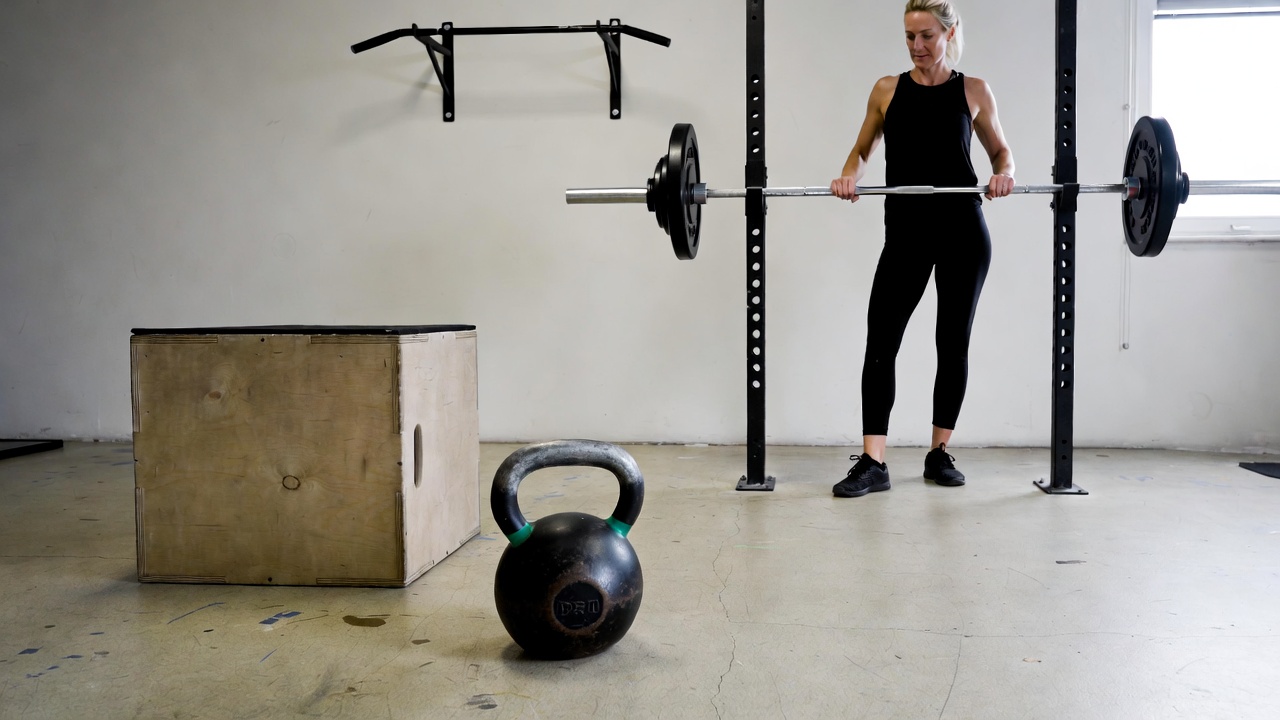
Transformation doesn’t happen overnight, but the right first 30 days can set you up for a lifetime of progress. Here’s a simple framework to get started:
- Week 1 — Assess & Plan: Evaluate your current fitness level. Set 1–3 specific, measurable goals. Map out your workout schedule and meal plan for the week.
- Week 2 — Build the Habit: Focus on showing up consistently, not on performing perfectly. Even 20-minute workouts count. Start tracking your food intake to build nutritional awareness.
- Week 3 — Dial In Intensity: Gradually increase workout intensity or duration. Experiment with meal timing and pre/post-workout nutrition. Notice how sleep and stress affect your energy and performance.
- Week 4 — Evaluate & Adjust: Review your progress. Celebrate every win, no matter how small. Identify what’s working and what needs adjustment. Recommit to the process.
After 30 days, you won’t just look different — you’ll think differently. You’ll have evidence that you can do this, and that evidence is the most powerful motivator of all. By embracing the transformative journey of “lwspeakfit nldburma,” players will not only enhance their physical prowess but also cultivate a mindset that empowers them to conquer challenges both in and out of the gaming world. By embracing the transformative journey of “lwspeakfit nldburma,” players will not only enhance their physical prowess but also cultivate a mindset that empowers them to tackle challenges both in and out of the gaming world.
Quick Tips From Nolissa Kryndalla: What Actually Works
After years of coaching and personal experience in West Valley City and beyond, here are the no-nonsense principles Nolissa swears by: I walk through this step by step in which gym should i go to lwspeakfit.
- Progress over perfection — a mediocre workout beats a skipped one every single time.
- Hydration is non-negotiable. Aim for at least half your bodyweight in ounces of water daily.
- Don’t demonize any food group. Restriction leads to obsession. Balance leads to freedom.
- Your body is not your enemy. It’s your greatest ally. Treat it accordingly.
- Invest in your warm-up. Five minutes of dynamic movement before a workout can prevent months of injury.
- Celebrate non-scale victories: more energy, better sleep, improved mood, stronger lifts. These matter.
Your Journey Starts Now
Fitness is not about being perfect. It’s about being consistent. It’s about showing up on the hard days, fueling your body with intention, managing your stress, sleeping well, and surrounding yourself with people who lift you higher — literally and figuratively.
The fitness guide LWSpeakFit was created to give you the roadmap — but you are the one who has to walk the path. And we’ll be here every step of the way.
Whether your goal is weight loss, strength, energy, or simply feeling better in your own skin, explore our full range of weight loss resources and let LWSpeakFit be the guide that helps you finally achieve the health and vitality you deserve.
You’ve got this. Now let’s get moving. lwspeakfit nldburma.
 Nolissa Kryndalla has opinions about mental health resources. Informed ones, backed by real experience — but opinions nonetheless, and they doesn't try to disguise them as neutral observation. They thinks a lot of what gets written about Mental Health Resources, Fitness Tips and Routines, Workout Techniques and Guides is either too cautious to be useful or too confident to be credible, and they's work tends to sit deliberately in the space between those two failure modes.
Reading Nolissa's pieces, you get the sense of someone who has thought about this stuff seriously and arrived at actual conclusions — not just collected a range of perspectives and declined to pick one. That can be uncomfortable when they lands on something you disagree with. It's also why the writing is worth engaging with. Nolissa isn't interested in telling people what they want to hear. They is interested in telling them what they actually thinks, with enough reasoning behind it that you can push back if you want to. That kind of intellectual honesty is rarer than it should be.
What Nolissa is best at is the moment when a familiar topic reveals something unexpected — when the conventional wisdom turns out to be slightly off, or when a small shift in framing changes everything. They finds those moments consistently, which is why they's work tends to generate real discussion rather than just passive agreement.
Nolissa Kryndalla has opinions about mental health resources. Informed ones, backed by real experience — but opinions nonetheless, and they doesn't try to disguise them as neutral observation. They thinks a lot of what gets written about Mental Health Resources, Fitness Tips and Routines, Workout Techniques and Guides is either too cautious to be useful or too confident to be credible, and they's work tends to sit deliberately in the space between those two failure modes.
Reading Nolissa's pieces, you get the sense of someone who has thought about this stuff seriously and arrived at actual conclusions — not just collected a range of perspectives and declined to pick one. That can be uncomfortable when they lands on something you disagree with. It's also why the writing is worth engaging with. Nolissa isn't interested in telling people what they want to hear. They is interested in telling them what they actually thinks, with enough reasoning behind it that you can push back if you want to. That kind of intellectual honesty is rarer than it should be.
What Nolissa is best at is the moment when a familiar topic reveals something unexpected — when the conventional wisdom turns out to be slightly off, or when a small shift in framing changes everything. They finds those moments consistently, which is why they's work tends to generate real discussion rather than just passive agreement.