
Why Your Breath Is Your Secret Weapon
Stress hasn’t loosened its grip. In 2026, it’s still everywhere simmering in inboxes, packed schedules, and late night doomscrolls. Chronic stress remains one of the biggest threats to public health, silently driving problems like heart disease, sleep disorders, and burnout.
Enter your breath. Simple, automatic, but wildly underused. Controlled breathing flips a biological switch it activates your parasympathetic nervous system, the body’s built in “rest and recover” mode. Unlike meditation or a week off grid, breathwork works fast, right in the middle of the mess.
And it’s not just ancient wisdom it’s hard science. Studies confirm that slowing your breath lowers cortisol, steadies the heartbeat, and clears mental fog. No gear, no guru, no app required. Just your lungs, and a few minutes of intention.
Box Breathing (a.k.a. Navy SEAL Technique)
This one’s dead simple, but powerful. Inhale for 4 seconds. Hold your breath for 4. Exhale for 4. Hold again for 4. That’s one round. Repeat as needed. The even pacing creates a rhythm that smooths out your nervous system.
Why does it matter? Professionals in high pressure jobs think special forces, surgeons, pro athletes use this when the heat’s on. It helps reset your brain and bring your body back to neutral.
Use it when you’re mid freakout, before big meetings, or those times you’re glued to your chair with test anxiety. It works fast.
Pro tip: Don’t overdo your first try. Three rounds is a solid start. From there, build up based on feel not force.
4 7 8 Relaxation Breath
How it works: Inhale for 4 seconds, hold for 7 seconds, exhale slowly for 8. That’s one round. Do it four times. You don’t need a special app or timer. Just count in your head and keep the pace slow and steady.
The science: It stretches out your exhale, which sends a clear message to your nervous system: we’re safe. When your brain gets that signal, your body follows slowing heart rate, lowering blood pressure, and easing tension.
Best time to use: This one’s your go to before bed, in the middle of a mental spiral, or after a heated conversation. It slows down your system fast. Most people feel a noticeable shift in under two minutes. It’s not magic it’s biology, working in your favor.
Diaphragmatic (Belly) Breathing
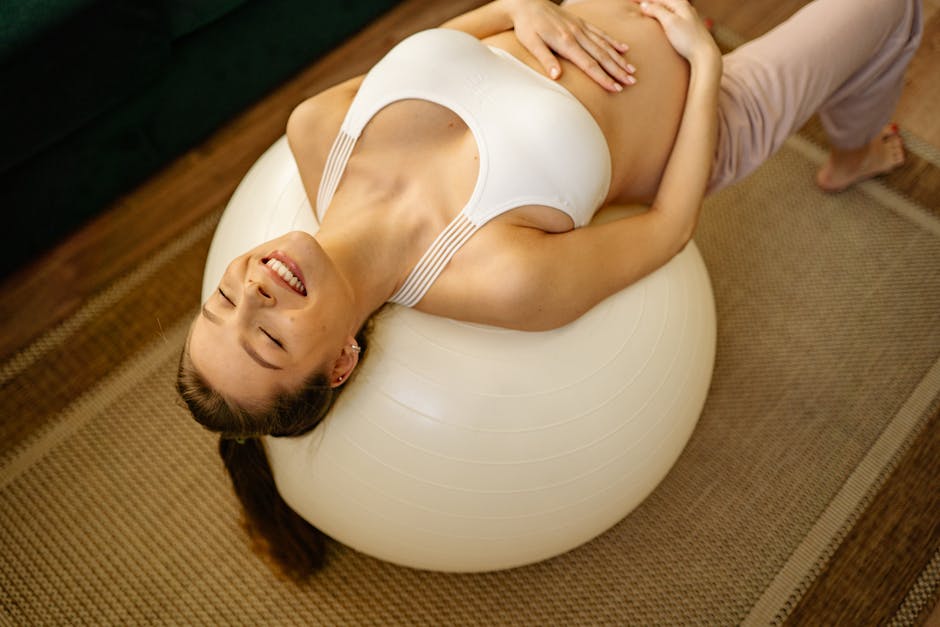
Most adults go through the day breathing shallowly from the chest especially under stress. It’s inefficient and keeps you stuck in fight or flight mode. Diaphragmatic breathing flips that. It retrains your body to breathe the way it’s built to, engaging your full lung capacity and calming your system from the inside out.
Here’s how to do it: Sit or lie flat. Place one hand on your chest, the other on your belly. Inhale slowly through your nose so only your belly rises chest stays mostly still. Exhale naturally. Repeat at your pace.
Done regularly, this builds stronger awareness of your breath, lowers anxiety, and improves how your body uses oxygen. It’s a simple reset especially powerful when everything around you feels out of your control.
Linking Breath With Movement
Breathing isn’t just something you fix when you’re anxious it’s a performance tool hiding in plain sight. When you breathe well, you move better. Full stop. Proper breathing supports posture, stabilizes your core, and helps manage physical stress during a workout. Shallow chest breathing limits endurance and spikes cortisol. Deep, controlled breaths tell your body to stay calm under pressure, whether you’re lifting, sprinting, or just powering through a long hike.
Posture matters too. Standing or moving with alignment opens up your lungs and allows your diaphragm to do its job. When breath and movement sync say, exhaling on effort during a lift or flowing with the rhythm of your run you’re not just reducing injury risk; you’re training your brain to respond to effort with resilience, not panic.
Want to understand how movement connects to mindset? Start here with this breakdown: How Exercise Impacts Mental Health: Evidence Based Insights
Final Tips to Make It Stick
You don’t need a yoga mat or meditation playlist. What you need is awareness and reminders. Tie your breathing practice to everyday cues. Every time you hit a red light, get in the elevator, or brush your teeth, that’s a signal: slow down and take a breath.
Forget perfection. One minute of focused breathing is more powerful than 20 minutes of half distracted effort. Build the habit first. Length and complexity can come later if you want them.
Look, stress isn’t going anywhere. Emails will pile up. Traffic will stall. People will disappoint you. The win isn’t avoiding chaos it’s learning to breathe through it with intention. That’s control. And that’s your edge.
 Nolissa Kryndalla has opinions about mental health resources. Informed ones, backed by real experience — but opinions nonetheless, and they doesn't try to disguise them as neutral observation. They thinks a lot of what gets written about Mental Health Resources, Fitness Tips and Routines, Workout Techniques and Guides is either too cautious to be useful or too confident to be credible, and they's work tends to sit deliberately in the space between those two failure modes.
Reading Nolissa's pieces, you get the sense of someone who has thought about this stuff seriously and arrived at actual conclusions — not just collected a range of perspectives and declined to pick one. That can be uncomfortable when they lands on something you disagree with. It's also why the writing is worth engaging with. Nolissa isn't interested in telling people what they want to hear. They is interested in telling them what they actually thinks, with enough reasoning behind it that you can push back if you want to. That kind of intellectual honesty is rarer than it should be.
What Nolissa is best at is the moment when a familiar topic reveals something unexpected — when the conventional wisdom turns out to be slightly off, or when a small shift in framing changes everything. They finds those moments consistently, which is why they's work tends to generate real discussion rather than just passive agreement.
Nolissa Kryndalla has opinions about mental health resources. Informed ones, backed by real experience — but opinions nonetheless, and they doesn't try to disguise them as neutral observation. They thinks a lot of what gets written about Mental Health Resources, Fitness Tips and Routines, Workout Techniques and Guides is either too cautious to be useful or too confident to be credible, and they's work tends to sit deliberately in the space between those two failure modes.
Reading Nolissa's pieces, you get the sense of someone who has thought about this stuff seriously and arrived at actual conclusions — not just collected a range of perspectives and declined to pick one. That can be uncomfortable when they lands on something you disagree with. It's also why the writing is worth engaging with. Nolissa isn't interested in telling people what they want to hear. They is interested in telling them what they actually thinks, with enough reasoning behind it that you can push back if you want to. That kind of intellectual honesty is rarer than it should be.
What Nolissa is best at is the moment when a familiar topic reveals something unexpected — when the conventional wisdom turns out to be slightly off, or when a small shift in framing changes everything. They finds those moments consistently, which is why they's work tends to generate real discussion rather than just passive agreement.