Why Stretching Still Matters in 2026
Stretching isn’t old school it’s essential. Whether you’re lifting weights, training for endurance, or switching between strength and cardio in your hybrid program, smart stretching keeps your body primed and protected.
The Case for Injury Prevention
Stretching acts as your first line of defense against workout related injuries. It prepares your muscles, joints, and connective tissues for movement and impact significantly reducing the risk of strains, pulls, and joint stress.
Warms up key muscle groups before high intensity training
Encourages stability and balance during complex movements
Helps maintain healthy joint range of motion over time
Better Flexibility and Mobility = Stronger Performance
Consistent stretching enhances total body mobility and flexibility, leading to better form, control, and endurance across all exercises.
Increases your muscles’ ability to lengthen under strength
Improves joint mobility, which supports deeper and safer movement patterns
Helps correct muscular imbalances created by sedentary habits or repetitive training
Stretching for Recovery and Longevity
Recovery isn’t just about rest it’s also about movement. Thoughtful stretching post workout helps muscles relax and lengthen back into a balanced state, reducing soreness and boosting circulation.
Speeds up recovery by increasing blood flow
Promotes mental wind down after intense sessions
Releases tension in often overlooked areas like hips, hamstrings, and shoulders
The Modern Approach
Today’s workouts require a smarter approach especially with hybrid training routines blending strength, cardio, and flexibility.
Dynamic stretches to warm up the body efficiently
Static stretches after training to restore balance
Tools like foam rollers and resistance bands to enhance results
Stretching isn’t an optional extra it’s an essential training tool in 2026 and beyond.
Pre Workout: Dynamic Stretching That Primes Performance
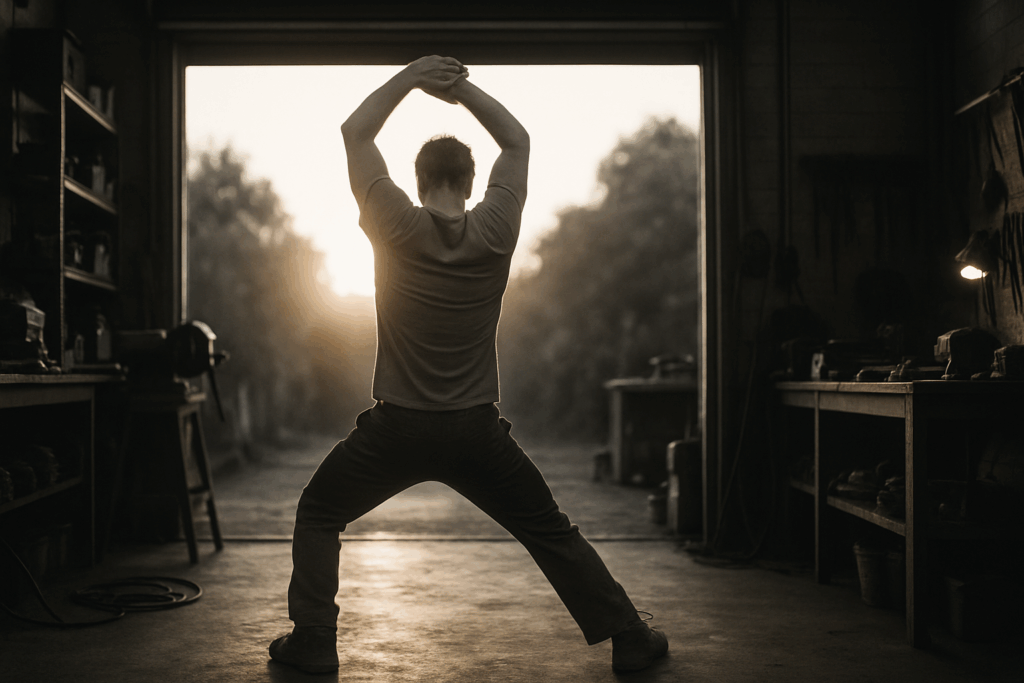
Before you dive into your workout, your muscles need a wake up call. Dynamic stretching isn’t about holding a pose it’s about movement. The goal here is to get blood flowing, increase range of motion, and prep your body for action without overdoing it. Think of it as flipping the switch from idle to ready.
Here’s a quick and effective 5 7 minute routine:
Leg swings kick front to back and side to side; 10 15 reps each leg
Arm circles and shoulder rolls small to large circles forward and backward; 15 reps each
Hip openers (walking lunges with twist) step forward, twist toward the leading knee; 5 8 per side
Torso rotations and neck rolls gentle but deliberate, loosen up the spine and neck area
No need to rush stay in control, keep movement smooth and natural.
Pro tip: Add light resistance bands to this routine for even better muscle activation. It doesn’t just feel good it sets you up to perform. For ideas, check out this guide to resistance bands for greater activation.
Post Workout: Static Stretching That Promotes Recovery

You’ve done the heavy lifting literally or figuratively. Now it’s time to bring your body back down. Post workout stretching isn’t just optional icing on the cake; it’s the cooldown that helps keep you running smoothly. The goal here is to lengthen muscles that just spent time contracting and working under load. This reduces tension, aids circulation, and gets you primed for your next session.
Here’s a simple static stretch routine you can knock out in 5 to 10 minutes:
Hamstring Stretch Seated or standing forward fold. Keep the knees soft and focus on hinging at the hips. You’re not reaching for your toes you’re asking your hamstrings to let go.
Quad Stretch Stand and pull one ankle towards your glutes, or lie on your side if balance is an issue. Keep hips in line and be mindful of your knee position.
Chest and Shoulder Wall Stretch Find a wall, extend your arm behind you at shoulder height, and gently turn your body away. Feels like opening a tight drawer that’s been jammed shut.
Child’s Pose or Supine Spinal Twist These two are clutch for taking pressure off the back. Choose one and spend at least a minute breathing into it.
This routine works best on warm muscles don’t stretch cold. Keep your breathing slow and steady to coax your nervous system into rest mode. Think of it as shifting gears at the end of a long drive.
Stretching Smarter, Not Just More
Stretching effectively isn’t just about frequency it’s about timing, technique, and mindset. To get the most out of your flexibility work, it’s essential to stretch with intention.
Warm Muscles Move Better
Avoid diving into deep stretches before warming up. Cold muscles are more prone to strain and injury, making static stretching before a workout less effective and potentially harmful.
Instead, try:
Starting with 5 minutes of light cardio (e.g., jogging in place or jumping jacks)
Incorporating dynamic stretches like leg swings and torso rotations
This primes your body for more intense movement and preps the muscles for later static work.
Breathe Into Each Stretch
Never underestimate the power of deep, controlled breathing. Slower breathing helps calm the nervous system and encourages your muscles to relax, especially after your workout.
Benefits of deep breathing during post workout stretching:
Reduces cortisol levels (stress hormone)
Signals your body it’s time to recover
Helps you hold stretches longer without discomfort
Try this pattern: Inhale for four counts, exhale for six. Sync your breath with your movement to stay mindful and grounded.
Make Stretching a Non Negotiable
Sporadic stretching won’t lead to lasting results. Treat it like you would your actual workout planned, purposeful, and tailored to your needs.
Ways to build consistency:
Add it to your calendar or training log
Attach stretching to a defined daily habit (after a workout, before bed, etc.)
Rotate routines weekly to target different muscle groups and avoid boredom
When done consistently, stretching enhances athletic performance, promotes faster recovery, and helps you feel better both during workouts and in daily life.
Quick Tips for Staying Consistent
Stretching only works if you actually do it and the easier you make it, the more likely it’ll stick.
Start with a playlist. Five to ten minutes is all you need. Choose tracks you can mentally pair with each stretch. When the beat shifts, so do you. It’s simple, automatic, and takes the guesswork out of timing.
Keep your gear in sight, not stashed in a closet. A yoga mat by the door or resistance band looped over your dumbbell rack makes stretching feel like part of your workout not a separate task. Visibility drives habit.
Finally, don’t let your routine get stale. Save a few solid video routines and rotate them by the week. Your muscles love variety, and your brain stays more engaged when you’re not repeating the same five moves every time.
Stretching’s evolved but its purpose hasn’t changed it keeps your body moving freely, safely, and with purpose.
 There is a specific skill involved in explaining something clearly — one that is completely separate from actually knowing the subject. Wendellion Smithens has both. They has spent years working with wellness strategies in a hands-on capacity, and an equal amount of time figuring out how to translate that experience into writing that people with different backgrounds can actually absorb and use.
Wendellion tends to approach complex subjects — Wellness Strategies, Nutrition and Healthy Eating, Fitness Tips and Routines being good examples — by starting with what the reader already knows, then building outward from there rather than dropping them in the deep end. It sounds like a small thing. In practice it makes a significant difference in whether someone finishes the article or abandons it halfway through. They is also good at knowing when to stop — a surprisingly underrated skill. Some writers bury useful information under so many caveats and qualifications that the point disappears. Wendellion knows where the point is and gets there without too many detours.
The practical effect of all this is that people who read Wendellion's work tend to come away actually capable of doing something with it. Not just vaguely informed — actually capable. For a writer working in wellness strategies, that is probably the best possible outcome, and it's the standard Wendellion holds they's own work to.
There is a specific skill involved in explaining something clearly — one that is completely separate from actually knowing the subject. Wendellion Smithens has both. They has spent years working with wellness strategies in a hands-on capacity, and an equal amount of time figuring out how to translate that experience into writing that people with different backgrounds can actually absorb and use.
Wendellion tends to approach complex subjects — Wellness Strategies, Nutrition and Healthy Eating, Fitness Tips and Routines being good examples — by starting with what the reader already knows, then building outward from there rather than dropping them in the deep end. It sounds like a small thing. In practice it makes a significant difference in whether someone finishes the article or abandons it halfway through. They is also good at knowing when to stop — a surprisingly underrated skill. Some writers bury useful information under so many caveats and qualifications that the point disappears. Wendellion knows where the point is and gets there without too many detours.
The practical effect of all this is that people who read Wendellion's work tend to come away actually capable of doing something with it. Not just vaguely informed — actually capable. For a writer working in wellness strategies, that is probably the best possible outcome, and it's the standard Wendellion holds they's own work to.