
Start Strong with Compound Movements
Full body exercises are the backbone of efficient training. Whether you’re short on time or aiming for maximum results in a single session, compound movements give you more return on your effort. They engage multiple muscle groups at once, elevate your heart rate, and condition your body for both strength and endurance.
Why Choose Full Body Exercises?
Time efficient: Work your entire body in less time perfect for 30 minute workouts.
Boost calorie burn: Engaging large muscle groups increases overall energy expenditure during and after your workout.
Balanced development: Improve muscular coordination, joint stability, and overall functionality.
Key Benefits at a Glance
Fat Burn: These movements recruit more muscle fibers, leading to a higher calorie burn both during and after training.
Muscle Tone: Activate upper and lower body muscles simultaneously for more balanced sculpting.
Strength Building: Compound actions like deadlifts or squats help develop real world strength that translates to everyday life.
Start your workout here to maximize impact and ensure the exercises that follow work even harder for you.
Burpees
Burpees are simple, raw, and brutally effective. They spike your heart rate, hit just about every major muscle group, and require zero equipment. In a single movement, you’re combining a squat, a plank, and a jump making it a cardio and strength hybrid that punches well above its weight.
But while burpees are basic, they’re also easy to mess up. The most common mistake? Letting your lower back collapse during the plank phase or landing with locked knees. To stay safe, think tight core through the entire movement, land soft, and drop into the push up with control not a crash.
For those dealing with joint issues or just starting out, try the step back burpee. Step one foot back at a time instead of jumping, skip the push up, and rise without the jump. You’ll still activate everything you’re just dialing back the impact, not the intensity.
Squat to Overhead Press
If you’re short on time but want full body impact, the squat to overhead press is a no frills powerhouse. It hits your legs, core, and shoulders in one fluid, explosive movement. Start in a squat with weights at shoulder height. Power up through your heels and, as you rise, drive the dumbbells or resistance bands up overhead. Reset and repeat. You’re not just building strength you’re training coordination, balance, and control all at once.
Dumbbells add load and build muscle faster, especially across delts and quads. Bands give you constant tension and make it easier on the joints solid for high reps or recovery days. Pick your tool based on your goal: power or endurance. Either way, this move earns its place early in any 30 minute workout. Simple, straightforward, and brutally effective.
Mountain Climbers
Mountain climbers are the no fluff, go to move for anyone looking to jack up heart rate and fire up the core all in one shot. They demand stability, speed, and focus, hitting not just the abs, but also shoulders, quads, and hip flexors. The bonus? You don’t need a single piece of gear. Just hit the floor and go.
To keep intensity high without wrecking form, there are a few rules: keep your shoulders stacked directly over your wrists, brace your core like you’re about to take a punch, and drive your knees forward like you mean it but don’t let your hips shoot up or sag. If your form crashes, slow down. Clean reps beat sloppy ones every time. You can ramp up the effort with intervals 20 seconds on, 10 seconds off or mix them in between strength moves to keep your full body session cooking.
Push Up to Renegade Row
This move pulls double duty: push ups hit the chest and triceps, while renegade rows target your back and core. Together, they form a superset that trains your upper body from all angles with minimal transition time. No fluff, just grind.
Start in a high plank with a dumbbell in each hand flat back, tight core. Drop into a push up, staying controlled. At the top, row the right dumbbell up, keeping your hips square, then reset and row the left. That’s one rep. Keep the movement tight and the form clean, especially as fatigue kicks in.
Using dumbbells adds resistance, sure but they also save your wrists by keeping them in a neutral position. Go for eight to twelve reps per set, depending on your groove that day. This isn’t about chasing numbers it’s about quality reps and controlled intensity.
Jump Squats
If you’re trying to get more out of less, jump squats should be a go to. This move hits the quads, hamstrings, glutes, and calves fast. And because it’s a plyometric exercise, you’re not just working strength, you’re training for speed and power.
The key is intensity over volume. Instead of grinding through 30 slow reps, try 8 12 explosive ones. Focus on maximum height and tight landings. Keep your core braced, chest up, and use your arms to drive upward.
Short on time? Good. Jump squats thrive in quick circuits. Just layer them into a HIIT round or tack on a few sets post strength session. They burn, they build, and they don’t drag out your workout. Reduce reps, turn up the intent, and let your legs do the talking.
Deadlifts
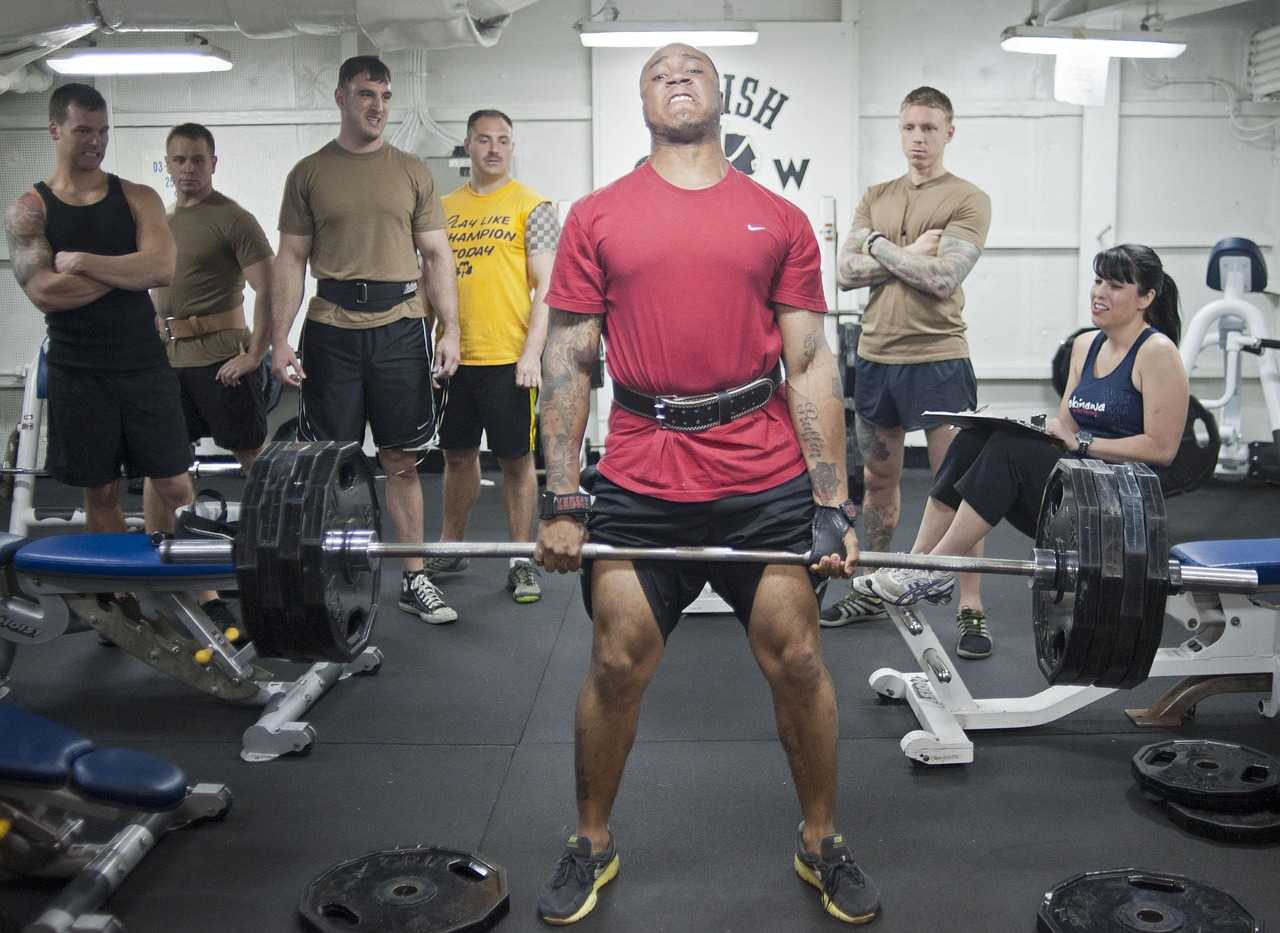
Deadlifts aren’t just for gym rats they train your body to move better in everyday life. Think lifting groceries, picking up your kid, or hauling your suitcase into an overhead bin. This is what functional strength looks like: practical, grounded, and efficient.
But don’t go chasing personal records right out of the gate. Start light. Use a kettlebell or dumbbells to dial in your hip hinge. That means hinging at your hips not rounding your back and keeping your core tight throughout the movement. Once you’ve nailed the mechanics, you can gradually increase the load. Form always beats ego.
Deadlifts are one of the most versatile total body exercises. They hit your glutes, hamstrings, core, and grip, and they build a foundation of strength that carries over to just about everything else you do. Learn it right, and it’ll pay off long term.
Plank to Shoulder Tap
This one’s sneaky tough. You hold a strong plank wrists stacked under shoulders, spine straight while lifting one hand at a time to tap the opposite shoulder. The goal? Fight the twist. That anti rotation battle lights up deep core muscles most crunches never reach. At the same time, your shoulders, arms, and stabilizers go to work keeping everything under control.
Keep your hips level and your taps steady. Rushing makes it sloppy and less effective. Want more challenge? Slow things down. Add time under tension and you’re not just building ab endurance you’re testing your resolve.
This move is a staple because it builds real world strength. The kind that keeps your posture rock steady and your upper body mobile under pressure.
Kettlebell Swings
This one move earns its place in almost any short, intense workout. Kettlebell swings are all about explosive, hip driven motion. The power comes from a strong hinge at the hips, not a squat or an arm lift. That means your glutes, hamstrings, and lower back aka the posterior chain are doing the heavy lifting, just like they should.
Done right, swings improve power output, endurance, and fat burn. They also teach you how to transfer force efficiently, which pays off in everything from sprinting to lifting. Keep the bell close to your body, snap the hips forward, and don’t let your upper body do the work your hips are supposed to carry. It’s rhythm meets strength.
If you’re short on time, add swings to the core of your circuit. They hit hard and reset fast, with room to scale up weight and reps as you progress.
Lunge with Bicep Curl
This one’s a double hitter: lower body stability meets upper body control. The lunge works your quads, glutes, and hamstrings, while the bicep curl brings in isolation for your arms. Timing is everything drop into the lunge, stay balanced, and then curl. It’s not just a strength move, it’s a coordination drill disguised as a workout.
If space is tight, don’t worry. Walking lunges are perfect for small areas. Just a few strides back and forth give you a solid dynamic workout without needing a gym floor. Skip the machines, grab two dumbbells, and you’ve got a full body move that challenges control, posture, and muscle endurance.
Jump Rope Intervals
Simple? Yes. Effective? Absolutely. The jump rope is the full body conditioning tool most people stop using after grade school and that’s a mistake. It delivers cardio, coordination, and muscular endurance, hitting everything from calves and core to shoulders and forearms. Plus, it torches calories like few other compact tools.
What makes jump rope intervals stand out is their flexibility. You can scale the intensity up or down depending on your conditioning goals. Go all out for 30 60 seconds to spike your heart rate, then ease into slower skips for active recovery. No fancy gear required, just a decent rope and a little floor space. For anyone tight on time but serious about results, the rope deserves a permanent spot in your 30 minute arsenal.
Bonus: Why Recovery Enhances Your Gains
You can’t train at full throttle every day and expect progress to just keep coming. Bodies don’t grow stronger during workouts they grow during recovery. Skip that, and you’re fast tracking yourself to burnout, overtraining, and stalled results.
Think of recovery as part of the workout cycle, not an afterthought. Active rest days think walking, yoga, light mobility work keep your blood moving and joints loose while giving your muscles time to rebuild. Skipping them doesn’t mean you’re hustling harder. It usually just means you’re spinning your wheels in place.
If you’re hitting a plateau or feeling rundown, it’s often not about doing more reps or adding more weight it’s about doing less, deliberately. Recovery is where you lock in gains and come back sharper. Train hard, yes. But recover smarter.
Learn more: How Active Recovery Days Improve Long Term Fitness Progress
Final Tips to Maximize 30 Minutes
If you’re trying to squeeze the most out of a 30 minute workout, pairing strength and cardio isn’t just smart it’s essential. Think kettlebell swings followed by push ups, or jump squats right into dumbbell presses. You’re hitting multiple muscle groups, spiking your heart rate, and staying efficient. No fluff.
Rest is important, but not an excuse to scroll. Keep breaks between 30 45 seconds. Long enough to catch your breath, short enough to stay in the zone. Let your recovery support your consistency, not sabotage it.
And above all, track. Don’t just show up push harder each week. You don’t need to add time, just intensity. More reps, heavier weights, tighter form. Keep the pressure on, and your body will show the results. In 2026, it’s not about going longer. It’s about going harder, smarter.
 Nolissa Kryndalla has opinions about mental health resources. Informed ones, backed by real experience — but opinions nonetheless, and they doesn't try to disguise them as neutral observation. They thinks a lot of what gets written about Mental Health Resources, Fitness Tips and Routines, Workout Techniques and Guides is either too cautious to be useful or too confident to be credible, and they's work tends to sit deliberately in the space between those two failure modes.
Reading Nolissa's pieces, you get the sense of someone who has thought about this stuff seriously and arrived at actual conclusions — not just collected a range of perspectives and declined to pick one. That can be uncomfortable when they lands on something you disagree with. It's also why the writing is worth engaging with. Nolissa isn't interested in telling people what they want to hear. They is interested in telling them what they actually thinks, with enough reasoning behind it that you can push back if you want to. That kind of intellectual honesty is rarer than it should be.
What Nolissa is best at is the moment when a familiar topic reveals something unexpected — when the conventional wisdom turns out to be slightly off, or when a small shift in framing changes everything. They finds those moments consistently, which is why they's work tends to generate real discussion rather than just passive agreement.
Nolissa Kryndalla has opinions about mental health resources. Informed ones, backed by real experience — but opinions nonetheless, and they doesn't try to disguise them as neutral observation. They thinks a lot of what gets written about Mental Health Resources, Fitness Tips and Routines, Workout Techniques and Guides is either too cautious to be useful or too confident to be credible, and they's work tends to sit deliberately in the space between those two failure modes.
Reading Nolissa's pieces, you get the sense of someone who has thought about this stuff seriously and arrived at actual conclusions — not just collected a range of perspectives and declined to pick one. That can be uncomfortable when they lands on something you disagree with. It's also why the writing is worth engaging with. Nolissa isn't interested in telling people what they want to hear. They is interested in telling them what they actually thinks, with enough reasoning behind it that you can push back if you want to. That kind of intellectual honesty is rarer than it should be.
What Nolissa is best at is the moment when a familiar topic reveals something unexpected — when the conventional wisdom turns out to be slightly off, or when a small shift in framing changes everything. They finds those moments consistently, which is why they's work tends to generate real discussion rather than just passive agreement.