Why Cardio at Home Works
You don’t need a gym membership or even gear to get your heart rate up. Home cardio workouts cut the fluff: no commute, no waiting for machines, and no excuses. It’s get up and go fitness that fits wherever you are.
The best part? You can burn serious calories using just your bodyweight. Think squats, jumping jacks, high knees, burpees. These moves don’t care if you’re in a living room or a studio apartment. They work.
Beyond the sweat and calorie burn, home cardio helps improve heart health, boost energy, and build stamina. You get all the physical and mental benefits with none of the overhead. No subscriptions. No drive time. Just results.
Need more structure or tips to round out your plan? Check out this general fitness advice for a deeper dive into full body wellness.
High Intensity Interval Training (HIIT)
This one hits hard and fast and that’s the point. HIIT focuses on short bursts of all out effort, followed by minimal rest. It’s intense, but that’s why it works. You spike your heart rate, push your muscles, and keep your metabolism revving long after the workout ends.
You don’t need machines or fancy gear. Just your body and the willingness to go all in. Try this core circuit: 30 seconds of jump squats, followed by push ups, mountain climbers, and burpees. Rest for 30 seconds between each round. Cycle through for 15 to 20 minutes. You’ll be gasping, sweating, and torching calories the efficient way.
Perfect for people short on time but ready to show up and grind.
Jump Rope (No Rope? Mimic the Motion)
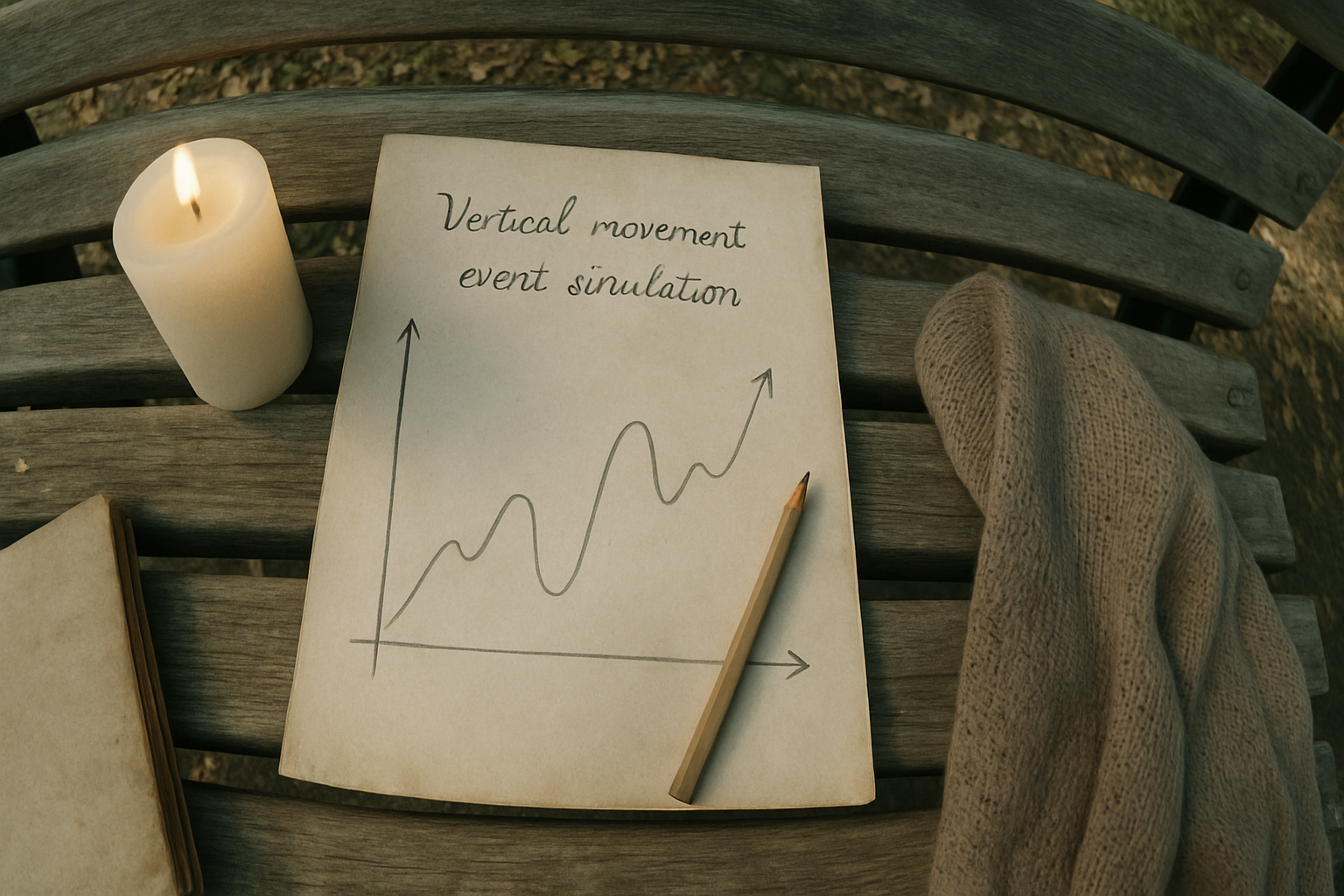
Jump rope isn’t just a playground activity it’s a powerful cardio booster that can be done almost anywhere. Whether you have a rope or not, the motion itself is enough to ignite your metabolism and elevate your heart rate fast.
Why It Works
Full body engagement: Arms, legs, and core all work together
Boosts coordination: Timing your jumps sharpens balance and rhythm
Customizable intensity: Control your speed to suit your fitness level
No Rope? No Problem
You don’t need a rope to make this exercise effective. Simply mimic the movement:
Jump in place
Swing your wrists as if holding real handles
This approach still offers the cardio benefits without the chance of getting tangled.
Starter Plan for Beginners
If you’re just getting into jump rope training, here’s a simple structure to begin with:
Jump for 1 minute
Rest for 30 seconds
Repeat for 5 10 rounds depending on stamina
Over time, increase your total time or reduce rest intervals. The key is consistency and form.
Tabata Routines
When time is short, but your goal is intensity, Tabata packs a powerful punch. This high efficiency training style is a favorite for quick cardio boosts with minimal time commitment.
What is Tabata?
Tabata is a form of high intensity interval training (HIIT) based on a simple structure:
20 seconds of all out effort
10 seconds of rest
Total time: 4 minutes per round
You can repeat the cycle multiple times based on your fitness level and time availability.
Sample Tabata Combos
Alternate between two or more movements to keep the energy up and work multiple muscle groups. Some powerful combinations include:
High Knees Focus on speed and core engagement
Plank to Push Up Targets upper body and builds core control
Jump Lunges Combines balance, leg strength, and cardio
Each combo keeps you moving explosively while giving your heart rate a serious lift.
Why It Works
Ideal for busy schedules
Boosts cardiovascular endurance and muscular stamina
Can be customized for beginners or advanced levels
Tabata is a go to if you’re short on time but serious about results.
Plyometric Circuits
If you want fast results, move fast. Plyometric circuits rely on explosive power think of them as controlled bursts that flood your system with intensity and train your body to respond quicker. These moves target your fast twitch muscle fibers, the ones responsible for speed and sharp, athletic reactions.
This isn’t about grinding for hours. You’re looking for short, high output movements done in quick succession. Try lateral bounds for lateral agility, squat jumps to build lower body power, and box step ups using anything sturdy around the house like a chair or bench. Cycle through each for 30 seconds, rest for 15, repeat. Minimal equipment, maximum output.
Use good form, stay light on your feet, and explode through each rep. You’ll train your nervous system to fire faster and your muscles to get stronger under speed. It’s not just cardio it’s athletic conditioning.
Dance Based Cardio
You don’t need rhythm and you don’t need choreography. You need to move. Zumba, hip hop, or your own kitchen style freestyle all of it counts. The goal here isn’t perfection, it’s momentum. This kind of cardio keeps your heart rate up while letting loose some stress at the same time.
Dancing hits a sweet spot: aerobic effort wrapped in fun. And thanks to streaming platforms or open floor living rooms, it’s easy to jump in. Want structure? Queue up a dance cardio class. Prefer your own groove? Turn up a playlist and go with it. You’ll sweat either way.
There’s zero pressure here. Just move with intent, feel your body shift gears, and let the music carry you through.
Make It Stick
Staying consistent is the key to seeing results with any fitness routine especially cardio. The good news? You don’t need to exercise daily to make real progress. A few well planned workouts each week can deliver big wins in endurance, energy, and overall health.
Start With a Realistic Schedule
Getting started doesn’t mean jumping in seven days a week. Build a foundation with:
3 to 4 workouts per week: Enough frequency to improve cardiovascular health without burning out
Choose the same days each week: Helps build routine and accountability
Mix and Match for Better Results
Keep your cardio routine fun and effective by switching things up. Variety prevents boredom and challenges different muscle groups:
Alternate between HIIT, jump rope, and dance based cardio
Try combining two shorter routines on busier days
Increase intensity or duration every two weeks to keep progressing
Pair Cardio With Smart Recovery
Cardio is only part of the wellness equation. Prioritize rest and nutrition to complement your efforts:
Stretch post workout to reduce soreness and increase flexibility
Stay hydrated and eat balanced meals for recovery and sustained energy
Sleep 7 9 hours per night to support heart health and performance gains
For more balanced wellness tips, check out this resource: General Fitness Advice
 Nolissa Kryndalla has opinions about mental health resources. Informed ones, backed by real experience — but opinions nonetheless, and they doesn't try to disguise them as neutral observation. They thinks a lot of what gets written about Mental Health Resources, Fitness Tips and Routines, Workout Techniques and Guides is either too cautious to be useful or too confident to be credible, and they's work tends to sit deliberately in the space between those two failure modes.
Reading Nolissa's pieces, you get the sense of someone who has thought about this stuff seriously and arrived at actual conclusions — not just collected a range of perspectives and declined to pick one. That can be uncomfortable when they lands on something you disagree with. It's also why the writing is worth engaging with. Nolissa isn't interested in telling people what they want to hear. They is interested in telling them what they actually thinks, with enough reasoning behind it that you can push back if you want to. That kind of intellectual honesty is rarer than it should be.
What Nolissa is best at is the moment when a familiar topic reveals something unexpected — when the conventional wisdom turns out to be slightly off, or when a small shift in framing changes everything. They finds those moments consistently, which is why they's work tends to generate real discussion rather than just passive agreement.
Nolissa Kryndalla has opinions about mental health resources. Informed ones, backed by real experience — but opinions nonetheless, and they doesn't try to disguise them as neutral observation. They thinks a lot of what gets written about Mental Health Resources, Fitness Tips and Routines, Workout Techniques and Guides is either too cautious to be useful or too confident to be credible, and they's work tends to sit deliberately in the space between those two failure modes.
Reading Nolissa's pieces, you get the sense of someone who has thought about this stuff seriously and arrived at actual conclusions — not just collected a range of perspectives and declined to pick one. That can be uncomfortable when they lands on something you disagree with. It's also why the writing is worth engaging with. Nolissa isn't interested in telling people what they want to hear. They is interested in telling them what they actually thinks, with enough reasoning behind it that you can push back if you want to. That kind of intellectual honesty is rarer than it should be.
What Nolissa is best at is the moment when a familiar topic reveals something unexpected — when the conventional wisdom turns out to be slightly off, or when a small shift in framing changes everything. They finds those moments consistently, which is why they's work tends to generate real discussion rather than just passive agreement.