
Fueling Up Before You Train
Why Pre Workout Nutrition Still Matters in 2026
The fitness landscape in 2026 is more performance driven than ever, and that means pre workout nutrition has taken center stage. Whether you’re lifting heavy, running long, or hitting high intensity intervals, what you eat beforehand plays a critical role in energy, focus, and endurance.
Fuels muscles with available glycogen
Supports mental focus and stamina during training
Reduces muscle breakdown, especially in early training phases
Timing is Everything
It’s not just what you eat it’s when you eat it. Eating too close to a workout can lead to sluggishness or digestive discomfort, while eating too early can leave you under fueled.
Best practice:
30 60 minutes before training: Small, easily digestible snacks
90 120 minutes before: Larger meal with complex carbs, protein, and light fats
Smart Carb Protein Combos That Work
For optimal pre workout fuel, you need a mix of carbohydrates and protein. Carbs provide quick access energy, while protein helps protect lean muscle during stress. Keep fats and fibers low to avoid slowing digestion.
High performing snack combinations:
Greek yogurt with berries and flaxseed: Probiotics + protein + antioxidants
Banana slices on almond butter toast: Potassium hit + sustained carbs + healthy fat
Oats with whey protein and diced apple: Slow digesting and energizing
The Caffeine Edge Used Right
A light caffeine stack can help increase endurance and focus but timing and source matter just as much as the dosage.
Safely add caffeine by:
Drinking a small cup of black coffee 30 45 minutes before your workout
Opting for green tea if you’re sensitive to caffeine but want mild stimulation
Avoiding energy drinks with added sugars or mystery blends
(Need the basics? Learn more in Understanding Macronutrients: A Complete Beginner’s Guide)
What to Eat After You Sweat
Why Post Workout Fueling Matters
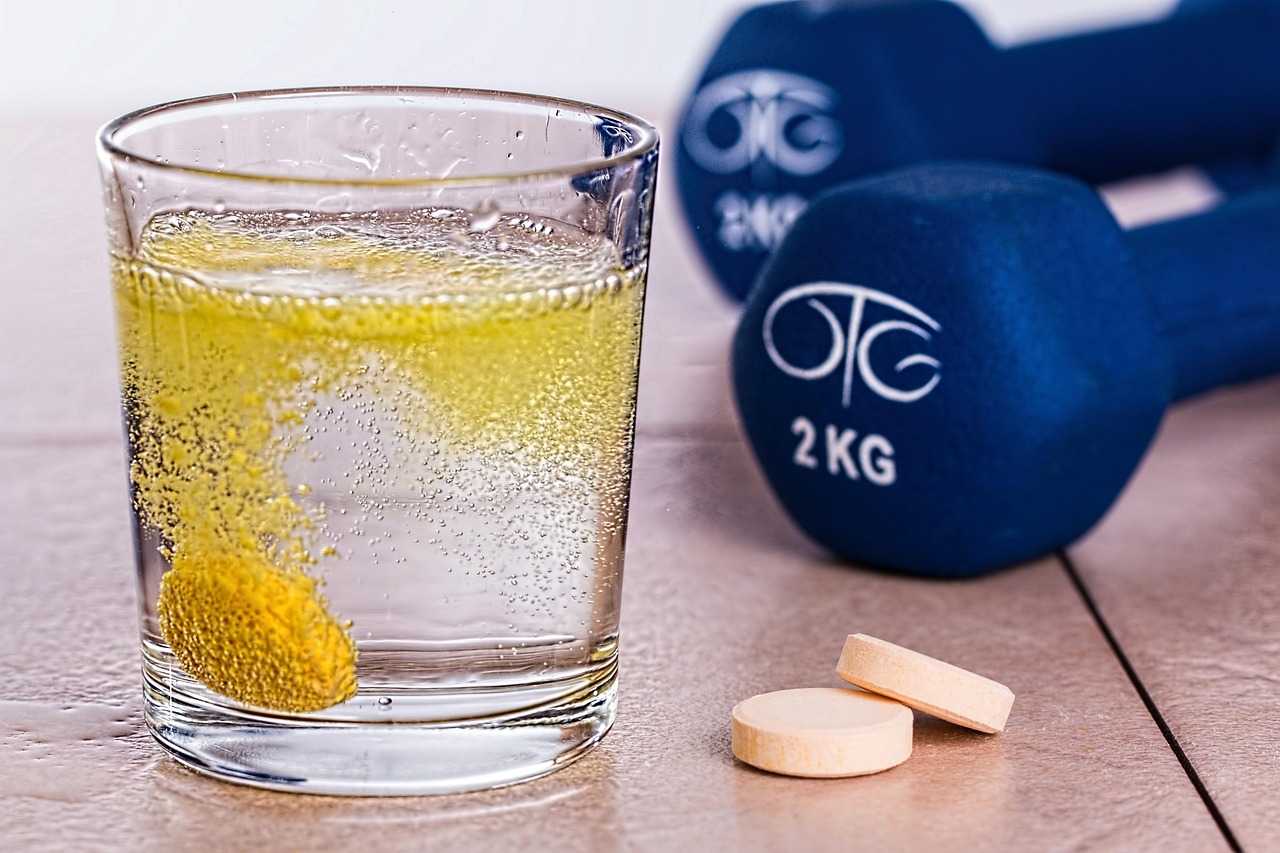
Right after your workout, your body enters a critical recovery phase. Muscles are primed to absorb nutrients that restore glycogen, repair tissues, and kickstart growth. Skipping this window can slow down recovery and diminish performance gains.
Exercise depletes glycogen stores (your body’s fuel)
Microtears in muscle need amino acids to rebuild stronger
Timely refueling maximizes your training efforts
Rebuild and Refuel: The Nutrient Combo That Works
To make the most of your post workout meal:
Aim for a mix of quality protein and moderate carbs
Include some healthy fats for satiety but don’t overdo it immediately post exercise
Keep the meal easy to digest so nutrients are absorbed quickly
Recommended ratio: 3:1 carbs to protein for endurance workouts, 2:1 or 1:1 for strength sessions.
Go To Snack Options for Muscle Repair
You don’t need a full meal right away, but the right snack makes a big difference. These combinations are quick, convenient, and scientifically balanced:
Hard boiled eggs + hummus + grapes
A high protein snack with fiber and fast acting natural sugars
Protein shake with frozen banana + unsweetened almond milk
Easy to digest, hydrates slowly, and offers both carbs and complete protein
Low fat cottage cheese with pineapple
A blend of casein and whey protein plus enzymes that support digestion
Hydration: More Than Just Water
Sweat doesn’t just cost you water it strips away electrolytes like sodium, potassium, and magnesium. Rehydration is just as essential as refueling after exercise.
Smarter rehydration strategies:
Add a pinch of sea salt and a squeeze of citrus to water for a natural electrolyte blend
Drink coconut water or watermelon juice for naturally occurring minerals
Consider electrolyte tablets for intense sessions or long bouts in heat
Pro Tip: Avoid sugary sports drinks unless your session lasts over 90 minutes or involves endurance competition. Whole food hydration often works better for most everyday athletes.
Pro Tips for Smarter Snacking
Reading nutrition labels in 2026 isn’t just about calories it’s about dodging hidden sugars and filler protein. Maltodextrin, fancy agave names, and sneaky sugar alcohols are still everywhere, especially in so called “fit” snacks. On the protein front, labels might flash 15 grams, but if it’s mostly from wheat or collagen, the amino acid profile might not support recovery. Know your sources. Whey isolate, pea rice blends, and egg white remain solid options.
For busy folks, prepping portable snacks pays off. Think hard boiled eggs in a lunch bag, chia pudding in jars, or even protein muffins made in batches. Wraps with lean protein and leafy greens hold up well in the fridge. The goal: 3 minute grab and go options that don’t start with foil or plastic.
Plant based and dairy free athletes need to play it tight. Mix and match protein sources to complete amino chains like quinoa and black beans, or lentils with sunflower seeds. Fortified nut milks and soy products help plug potential calcium and B12 gaps. Avoid relying too heavily on prepackaged vegan bars, which often lean on sugar and palm oil to compensate for flavor and texture.
When in doubt, go whole. A handful of almonds, a boiled sweet potato with cinnamon, or a can of tuna with avocado beats another “high protein” cookie pretending to be health food.
Conclusion Free Final Section: Keep It Sharp
Your snack choices should work as hard as you do. Don’t just grab whatever’s trending or convenient pick fuel that lines up with your workout intensity and your individual goals. Training for endurance? You’ll want more complex carbs pre run. Pushing for strength gains? Lean into protein with smart fats afterward. One size fits all doesn’t apply here.
Consistency is the real flex. While flashy packaging and new bar launches might pull you in, nothing beats the long term impact of nutrient dense whole foods. Snack smart, not trendy.
And listen to your body. If something leaves you sluggish or wired, adjust. This isn’t a locked in formula it’s a feedback loop. The best snack plan is a living one that keeps pace with your training and recovery needs. Keep it clean, keep it purposeful, and keep showing up.
 Dannylo Rogerstone is the kind of writer who genuinely cannot publish something without checking it twice. Maybe three times. They came to wellness strategies through years of hands-on work rather than theory, which means the things they writes about — Wellness Strategies, Workout Techniques and Guides, Fitness Tips and Routines, among other areas — are things they has actually tested, questioned, and revised opinions on more than once.
That shows in the work. Dannylo's pieces tend to go a level deeper than most. Not in a way that becomes unreadable, but in a way that makes you realize you'd been missing something important. They has a habit of finding the detail that everybody else glosses over and making it the center of the story — which sounds simple, but takes a rare combination of curiosity and patience to pull off consistently. The writing never feels rushed. It feels like someone who sat with the subject long enough to actually understand it.
Outside of specific topics, what Dannylo cares about most is whether the reader walks away with something useful. Not impressed. Not entertained. Useful. That's a harder bar to clear than it sounds, and they clears it more often than not — which is why readers tend to remember Dannylo's articles long after they've forgotten the headline.
Dannylo Rogerstone is the kind of writer who genuinely cannot publish something without checking it twice. Maybe three times. They came to wellness strategies through years of hands-on work rather than theory, which means the things they writes about — Wellness Strategies, Workout Techniques and Guides, Fitness Tips and Routines, among other areas — are things they has actually tested, questioned, and revised opinions on more than once.
That shows in the work. Dannylo's pieces tend to go a level deeper than most. Not in a way that becomes unreadable, but in a way that makes you realize you'd been missing something important. They has a habit of finding the detail that everybody else glosses over and making it the center of the story — which sounds simple, but takes a rare combination of curiosity and patience to pull off consistently. The writing never feels rushed. It feels like someone who sat with the subject long enough to actually understand it.
Outside of specific topics, what Dannylo cares about most is whether the reader walks away with something useful. Not impressed. Not entertained. Useful. That's a harder bar to clear than it sounds, and they clears it more often than not — which is why readers tend to remember Dannylo's articles long after they've forgotten the headline.