
The Link Between Nutrition, Immunity & Daily Energy
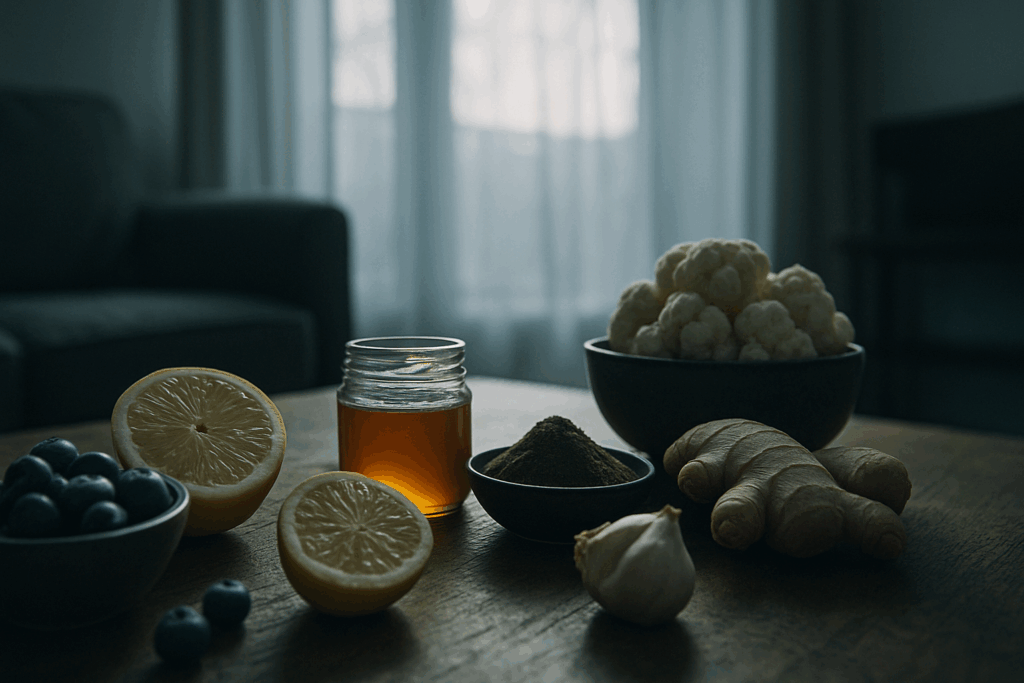
In 2026, superfoods aren’t just a wellness buzzword they’re a practical line of defense. With new strains of viruses surfacing and global stress levels still high, what we eat matters more than ever. Superfoods, rich in immune supporting compounds, help the body maintain its natural defenses without relying solely on supplements or quick fixes.
The science backs it up. Nutrients like vitamin C, zinc, antioxidants, and phytonutrients found in foods like citrus, leafy greens, and seeds actively support immune cell function and help reduce inflammation. These compounds work behind the scenes, reinforcing your body’s response system and shortening the duration of common illnesses.
Equally crucial: energy. But not the crash and burn type you get from sugary snacks or oversized coffees. We’re talking clean, steady fuel. Foods like quinoa, matcha, and spirulina provide vitamins, minerals, and natural compounds that support mitochondria the parts of your cells responsible for making energy. The result? More day long stamina, fewer slumps.
In short, it’s less about hype, more about choosing fuel with function. Superfoods give your body what it needs to stay sharp, resilient, and ready without the crash.
Turmeric
Turmeric doesn’t waste time. It’s loaded with curcumin, a compound with serious anti inflammatory and antioxidant benefits. Think less bloating, better joint health, and stronger immune defense. That’s why people have been using it for thousands of years and now science is catching up.
Here’s the catch: curcumin on its own doesn’t absorb well. But pair it with black pepper (which contains piperine) and a healthy fat like olive oil or almond butter, and your body gets way better at putting it to work. Just a pinch of black pepper makes a huge difference.
The good news? It’s easy to work turmeric into your routine. Toss it into your morning smoothie with banana and almond milk. Stir it into scrambled eggs or roasted veggies. Or go classic with golden milk warm turmeric, cinnamon, black pepper, and a splash of coconut oil in your favorite milk. Simple, quick, effective.
Blueberries
Why Blueberries Are a Top Immunity Booster
Blueberries are small but highly potent, packed with nutrients that support both immunity and long term energy. Their vibrant color comes from anthocyanins powerful antioxidants known to reduce inflammation and strengthen cellular defense mechanisms.
Nutrient Highlights:
Vitamin C: Helps stimulate white blood cell production and repair tissue
Anthocyanins: Powerful compounds that protect cells against oxidative stress
Fiber: Supports healthy digestion and sustained energy release throughout the day
Brain and Body Benefits
Beyond immunity, blueberries also enhance cognitive performance. Studies show their antioxidant profile may slow brain aging and improve memory function especially beneficial during periods of stress or fatigue.
How Blueberries Help:
Combat free radicals that damage cells and weaken immunity
Improve blood circulation to the brain
Support mental focus without the crash linked to processed snacks
Easy Ways to Add Blueberries to Your Diet
Integrating blueberries into your routine is simple and versatile. Whether fresh or frozen, they quickly elevate both nutritional value and flavor.
Go To Ideas:
Smoothies: Blend with Greek yogurt or spinach for a double immune boost
Oatmeal Toppings: Add a handful for natural sweetness and critical nutrients
Chia Pudding: Mix into overnight chia pudding for a fiber rich breakfast
Trail Mix: Use dried blueberries in a nut and seed mix for an energizing snack on the go
For best results, aim to incorporate blueberries a few times a week, and pair them with healthy fats (like almonds or flaxseed) to enhance nutrient absorption.
Spirulina
Spirulina doesn’t look like much just a deep green powder but it packs a serious punch. It’s one of the few plant based sources that’s a complete protein, meaning it has all nine essential amino acids. That alone puts it on the radar for anyone needing clean, fast working fuel. Add in iron and B vitamins, and you’ve got a trifecta for sustained energy and better immunity.
The science backs it up. Studies show spirulina supports immune cell function and endurance recovery, making it especially useful for anyone juggling work, workouts, or long days on their feet. It’s not magic, but it’s close.
You don’t have to down it solo, either. A scoop blends easily into smoothies, power bars, or protein bowls. Mild in flavor when paired right, it disappears into recipes with mango, banana, or cacao. Just don’t overdo it one teaspoon is plenty to get the benefits, no sludge required.
Ginger
Ginger’s one of those rare foods that hits multiple marks without trying too hard. It’s naturally antimicrobial, which gives your immune system a solid backup when stress or sickness start creeping in. At the same time, it’s kind to your gut calming things down, supporting digestion, and helping your body absorb more of what it needs.
Where ginger really earns respect is in how it fights fatigue. It’s not caffeinated, but it has a way of waking up your body subtly. Combine that with its ability to ease cold symptoms and clear up congestion, and it’s the kind of thing you want in your lineup especially in the winter months.
Fresh ginger wins when you need the full spectrum of its benefits bioactive compounds like gingerol tend to be more potent before processing. Think teas, grated into stir fries, or blitzed into smoothies. Powdered ginger still delivers, especially for baking or quick dosages, but it’s better for maintenance than urgent impact. When in doubt, fresh is your power move.
Greek Yogurt

Greek yogurt punches above its weight when it comes to immune support. It’s high in protein, which the body uses to rebuild tissue and produce crucial immune cells. But what really sets it apart is the live probiotic cultures it often contains. These friendly bacteria help balance your gut microbiome a key player in how your immune system responds to threats.
Most of your immune activity actually begins in the gut. A healthy, diverse microbiome helps block bad invaders, lower inflammation, and keep your internal systems in check. That’s why what you eat matters and why probiotic rich foods like Greek yogurt earn their spot as daily staples.
Skip the sugar laden versions. Look for plain, unsweetened varieties that list live and active cultures on the label. Bonus points if the brand is transparent about which strains they use (like L. acidophilus or B. lactis). Pair it with nuts, berries, or a drizzle of honey and you’ve got a snack that works overtime for your energy and your defenses.
Spinach
Spinach earns its spot as a go to superfood with serious backup: it’s rich in folate, iron, and vitamin C all critical players when it comes to supporting immunity and daily energy. Folate fuels cell repair and metabolism; iron helps oxygen move through your body; and vitamin C is essential for immune defense.
But here’s the catch how you cook spinach can make or break those nutrients. Overcooking zaps vitamin C quick, so skip the long boil. Light steaming or a fast sauté preserves more. Even better? Eat it raw in salads or blend it into smoothies. If you are cooking, cook it quick and keep the lid on.
Pair it smart and those nutrients go even further. Eggs bring extra iron and protein. Citrus adds more vitamin C and helps the body absorb iron better. Nuts toss in healthy fats and magnesium for an extra layer of immune and energy support. Keep it simple: a spinach salad with oranges and walnuts. Or scrambled eggs with sautéed spinach and a squeeze of lemon. Clean, effective, no fluff.
Matcha
Matcha isn’t just trendy it’s a functional fuel that earns its place in any daily routine. The real power comes from its blend of L theanine and caffeine. Unlike typical coffee hits, matcha gives you a calm, alert lift without the jitters or crash. L theanine smooths the edges off the caffeine, sharpening focus and extending energy over a longer stretch of the day.
Then there’s chlorophyll, the green compound that gives matcha its signature color and some subtle detox perks. While it won’t wipe out a weekend of bad decisions, studies suggest chlorophyll supports liver function and can help reduce inflammation.
Key is not going overboard. One to two servings a day is the sweet spot enough to tap into the benefits without taxing your system with too much caffeine or overdoing the oxalates. Stick to high quality, ceremonial grade matcha, and keep the additives clean. A morning cup with oat milk or a mid afternoon boost is usually all you need.
Pumpkin Seeds
Zinc and magnesium aren’t flashy but they’re foundational. Zinc keeps your immune system alert, speeding up recovery and reducing inflammation. Magnesium helps convert food into energy, keeps your muscles working, and even supports better sleep, which, frankly, is when most of your immune repair happens. Pumpkin seeds deliver both in a compact, no nonsense package.
In 2026, they’re stepping into the spotlight not just at the bottom of your trail mix pouch. Roasted with a pinch of chili powder or tossed into smoothies, pumpkin seeds are versatile. Sprinkle them on salads, blend them into soups, or grind them into seed butter for toast. You’ll get that mineral edge without depending on a pill bottle.
Don’t let their simplicity fool you. For immune strength and steady energy, pumpkin seeds are the unsung super snack of the year. They’re easy to stash, easy to eat, and surprisingly hard to beat.
Citrus Fruits
If you’re looking for an immune and energy boost, citrus fruits are a no brainer. Oranges, grapefruits, lemons, and limes are some of the top natural sources of vitamin C and flavonoids two key players in keeping your body resilient and alert. Vitamin C is essential for collagen production, which helps maintain healthy skin, blood vessels, and connective tissue. Flavonoids, on the other hand, act as natural anti inflammatories and support circulation, which can help fight off fatigue before it sets in.
Here’s the deal: not all citrus is created (or processed) equally. Fresh fruit or freshly squeezed juice packs the most nutritional punch. Pasteurized juices what you typically find on grocery shelves lose some of their vitamin C during processing. They’re also often stripped of fiber and hit with added sugars, which defeats the purpose.
The simpler approach? Eat the whole fruit. Or, if you go for juice, make it fresh and keep it raw. Once you make it a habit, that morning orange or post workout grapefruit can keep your energy levels humming and your immune system on high alert.
Quinoa
Quinoa’s been around forever, but in 2026, it still earns its spot as a top tier superfood. It’s one of the few plant based sources of complete protein, meaning it delivers all nine essential amino acids. That’s a big deal if you’re trying to reduce or eliminate animal products without missing out on vital nutrients.
Iron and B vitamins also show up strong in quinoa, supporting everything from energy metabolism to red blood cell production. It’s clean fuel, especially when you’re pushing through long workdays or hitting workouts hard.
Need a meal prep hero? Quinoa’s neutral flavor and texture make it a reliable base for salads, bowls, or power lunches that actually hold up in the fridge. Dress it up or keep it bare bones it works both ways.
For more prep tips and ideas, check out Meal Planning 101: How to Prep Healthy Meals for the Week.
Staying Fueled the Smart Way
You don’t need to overhaul your diet overnight to get sharper energy and stronger immunity. What you do need is a plan and a few smart habits that stick.
First, build meals that double up on purpose. Combine clean protein like Greek yogurt or quinoa with antioxidant dense picks like blueberries or spinach. Want a one bowl winner? Try a quinoa salad with leafy greens, pumpkin seeds, and a turmeric ginger dressing. For breakfast: Greek yogurt, matcha, and fresh berries. These combos hit both immunity and sustained energy without relying on caffeine overload or sugar spikes.
Second, rotate your superfoods. The human body thrives on variety different foods bring different micronutrients to the table. Switching between citrus fruits, spirulina, leafy greens, and seeds ensures broad nutrient coverage. It also keeps your meals from falling into a boring loop. Rotate your greens. Swap in different fruits week to week. Spread the benefits, keep things interesting.
Lastly, focus on small wins. Add a spoon of turmeric to your soup. Use lemon juice as a salad base. Snack on pumpkin seeds instead of processed junk. It’s these subtle swaps, made daily, that lead to better energy and stronger immunity over time. No extreme diets. Just consistent, smart choices.
 Dannylo Rogerstone is the kind of writer who genuinely cannot publish something without checking it twice. Maybe three times. They came to wellness strategies through years of hands-on work rather than theory, which means the things they writes about — Wellness Strategies, Workout Techniques and Guides, Fitness Tips and Routines, among other areas — are things they has actually tested, questioned, and revised opinions on more than once.
That shows in the work. Dannylo's pieces tend to go a level deeper than most. Not in a way that becomes unreadable, but in a way that makes you realize you'd been missing something important. They has a habit of finding the detail that everybody else glosses over and making it the center of the story — which sounds simple, but takes a rare combination of curiosity and patience to pull off consistently. The writing never feels rushed. It feels like someone who sat with the subject long enough to actually understand it.
Outside of specific topics, what Dannylo cares about most is whether the reader walks away with something useful. Not impressed. Not entertained. Useful. That's a harder bar to clear than it sounds, and they clears it more often than not — which is why readers tend to remember Dannylo's articles long after they've forgotten the headline.
Dannylo Rogerstone is the kind of writer who genuinely cannot publish something without checking it twice. Maybe three times. They came to wellness strategies through years of hands-on work rather than theory, which means the things they writes about — Wellness Strategies, Workout Techniques and Guides, Fitness Tips and Routines, among other areas — are things they has actually tested, questioned, and revised opinions on more than once.
That shows in the work. Dannylo's pieces tend to go a level deeper than most. Not in a way that becomes unreadable, but in a way that makes you realize you'd been missing something important. They has a habit of finding the detail that everybody else glosses over and making it the center of the story — which sounds simple, but takes a rare combination of curiosity and patience to pull off consistently. The writing never feels rushed. It feels like someone who sat with the subject long enough to actually understand it.
Outside of specific topics, what Dannylo cares about most is whether the reader walks away with something useful. Not impressed. Not entertained. Useful. That's a harder bar to clear than it sounds, and they clears it more often than not — which is why readers tend to remember Dannylo's articles long after they've forgotten the headline.