
Why Meal Planning Works
Meal planning isn’t just a health trend it’s a practical strategy that supports your goals, saves time, and reduces stress. Here’s why more people are making it part of their weekly routine:
Cuts Down Daily Decision Fatigue
Deciding what to eat every day takes a surprising toll on your mental energy. By planning in advance:
You eliminate guesswork during busy weekdays
You streamline meal choices and avoid last minute takeout
You save mental bandwidth for other priorities
Supports Nutritional Goals and Portion Control
Meal planning helps you stay aligned with your health and wellness goals:
Build balanced meals with the right mix of protein, carbs, and fats
Avoid overeating by pre portioning servings
Stay on track with dietary needs or restrictions
Saves Money and Reduces Food Waste
Being intentional with your meals also makes your grocery spending smarter:
You buy only what you’ll use, avoiding impulse purchases
Leftovers get repurposed rather than tossed
Pantry and fridge items are actually used before they expire
Making a plan takes a bit of effort upfront, but the payoff is well worth it throughout the week.
Step 1: Map Out Your Week
Planning starts with clarity. Before you pick up a shopping list or prep a single ingredient, get a clear snapshot of your upcoming week. This step helps you avoid overbuying, under prepping, or scrambling midweek.
Determine Your Meal Count
Start by asking yourself: How many meals do I actually need to prepare?
Workdays vs. Weekends: Do you eat out more on weekends? Or do you need all breakfasts, lunches, and dinners prepped Monday through Friday?
Dining Out or Special Events: Factor in restaurant meals, social plans, or nights you’ll likely order takeout.
Tip: Consider prepping just two meals a day especially if breakfast is quick or repetitive (like smoothies or eggs).
Consider Your Schedule
Your lifestyle impacts what kind of meals you’ll need:
Workout days: You may want higher protein or carb timed meals
Family considerations: Feeding kids? You might need simple, kid approved meals
Busy days: Meetings or evening events? Plan for faster, no cook options
Build in Flexibility
Life doesn’t stick to a script and neither should your meal plan.
Leave one or two “wild card” meals you can adjust midweek
Stock a few quick pantry or freezer staples for unexpected changes
Be okay with swapping a planned meal if the day changes it’s not failure, it’s strategy
Meal planning isn’t about rigid rules, but about reducing decision making chaos. Start light, and let your weekly rhythm refine what works best.
Step 2: Build Balanced Meals
If you’re looking for a no fuss system that works, start with the Plate Method. It’s simple: half your plate should be colorful veggies, a quarter should be quality protein, and the last quarter goes to nutrient dense carbs. This approach keeps nutrients in check without turning every meal into a math problem.
When choosing carbs, skip the ultra processed stuff. Stick to fiber rich options like quinoa, sweet potatoes, brown rice, or chickpeas. These burn slower and keep energy steady. As for protein, go with lean but satisfying think grilled chicken, tofu, salmon, or black beans. Mix it up depending on your taste and what you’ve got prepped.
And yes, don’t fear fats. A drizzle of olive oil, some avocado, a handful of nuts these little additions help you stay full and keep things flavorful. Fat isn’t the enemy. Just keep it clean, not greasy.
The bottom line? Balanced meals aren’t about perfection. They’re about putting real food on the plate in solid proportions so your body doesn’t crash halfway through the day.
Step 3: Make a Smart Grocery List
Start with a quick sweep of your pantry and freezer. You probably have more usable ingredients than you think canned beans, frozen veggies, rice, or protein you forgot you bought. Build your meals around what’s already there. It cuts waste and keeps your grocery bill in check.
Next, structure your shopping list based on how the store is laid out: produce, frozen, dairy, pantry staples, etc. It’s not about being fancy it’s about being fast. Wandering aimlessly through the aisles is how extras end up in your cart. A segmented list gets you in and out.
The real trick? Stick to the list. That’s your plan. Temptation lives in the snack aisle and endcaps, but your cart should reflect your goals, not a spur of the moment craving. Want to treat yourself? Build it into the plan. Otherwise, stay focused and move with purpose.
Step 4: Prep Like a Pro
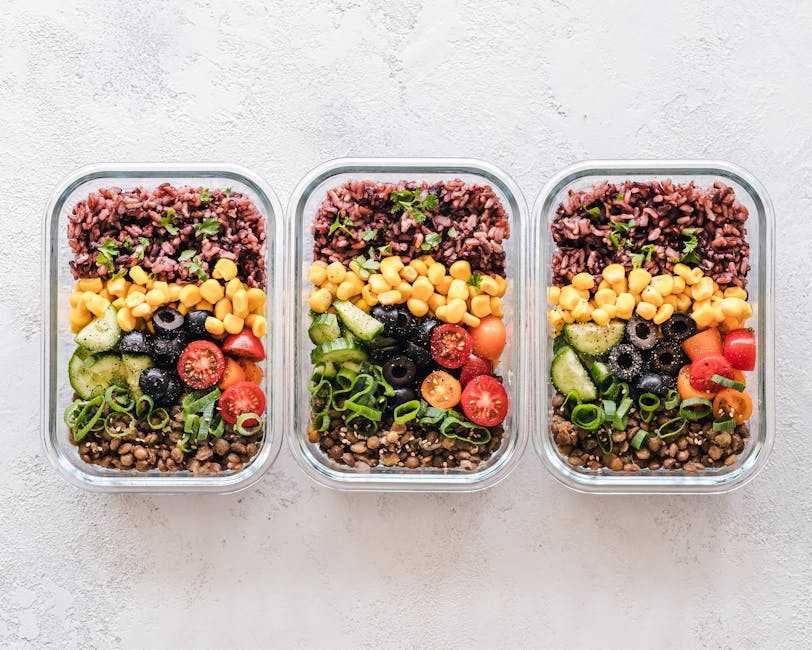
This is where the week gets easier. Start by batch cooking your proteins think grilled chicken, baked tofu, or a hearty pot of lentils. Toss them in neutral seasoning so they play nice with a variety of meals. Knock it all out in one session so you’re not cooking from scratch every night.
Next, focus on produce. Wash, peel, and chop your veggies right after shopping. Store them in airtight containers so grabbing a handful of pre cut bell pepper or carrot sticks takes seconds. No excuses when everything’s ready to roll.
Make a few simple sauces or dressings while you’re at it. A lemon tahini drizzle, a sriracha yogurt dip, or even a homemade vinaigrette can level up bland meals fast. You don’t need six you just need two that go with nearly everything.
Finally, invest in reusable containers that help with portioning. Skip the guesswork by choosing options that divide your meals into protein, veggies, and carbs automatically. Clean up is faster, storage is neater, and your plan sticks longer.
Step 5: Keep Meals Fresh and Safe
Once the cooking’s done, your job isn’t over. Storing meals right is what keeps all that work from going to waste literally. Stick to a 3 4 day max rule for meals in the fridge. Anything beyond should go straight to the freezer. That keeps both flavor and food safety in check.
Label everything. Not just what’s inside, but also the date you made it. You think you’ll remember, but you won’t. A marker and masking tape work fine no need to overcomplicate.
When it’s time to reheat, go all the way through. Lukewarm proteins and grains are a fast track to stomach trouble. Make sure everything’s steaming hot, especially if it came from the freezer. Don’t cut corners here this is where meal prep turns from helpful to risky if you’re sloppy.
Bonus Tip: Don’t Forget Hydration
Meal prep usually grabs the spotlight, but water is pulling just as much weight behind the scenes. Staying hydrated keeps your energy stable, aids digestion, and can even curb unnecessary snacking all without any extra chewing. It’s a basic move with big returns.
The smart play is to match your meal plan with a hydration strategy. If you’ve scheduled three meals and two snacks per day, slot in water breaks too. Use a water bottle with time markers or track your intake alongside your food log low effort, high payoff.
Think of it this way: just like protein preps or veggie chopping, water needs to be part of your routine, not just an afterthought. Integrate it early and often.
Learn why hydration is essential →
Stay Consistent, Not Perfect
The truth about healthy eating: it’s not about never breaking the rules it’s about crafting a routine you can actually stick with. One off day doesn’t undo a week of good meals. Pizza on a Friday night doesn’t cancel out your veggies, lean protein, and smart carbs from earlier in the week. The key is rhythm. You want forward motion, not perfection.
That’s why meal planning isn’t about locking yourself into a strict system it’s about creating a structure that supports your life, not fights it. Busy week? Prep only the essentials. Extra time? Experiment with new recipes. The system should bend with your schedule, not break when things get unpredictable.
Think of it like tuning an instrument. You’ll make adjustments along the way. The more you practice, the better the sound and the smoother your meals will feel in your day to day. Show up, tweak what’s not working, and keep it realistic. That’s how results stick.
 There is a specific skill involved in explaining something clearly — one that is completely separate from actually knowing the subject. Wendellion Smithens has both. They has spent years working with wellness strategies in a hands-on capacity, and an equal amount of time figuring out how to translate that experience into writing that people with different backgrounds can actually absorb and use.
Wendellion tends to approach complex subjects — Wellness Strategies, Nutrition and Healthy Eating, Fitness Tips and Routines being good examples — by starting with what the reader already knows, then building outward from there rather than dropping them in the deep end. It sounds like a small thing. In practice it makes a significant difference in whether someone finishes the article or abandons it halfway through. They is also good at knowing when to stop — a surprisingly underrated skill. Some writers bury useful information under so many caveats and qualifications that the point disappears. Wendellion knows where the point is and gets there without too many detours.
The practical effect of all this is that people who read Wendellion's work tend to come away actually capable of doing something with it. Not just vaguely informed — actually capable. For a writer working in wellness strategies, that is probably the best possible outcome, and it's the standard Wendellion holds they's own work to.
There is a specific skill involved in explaining something clearly — one that is completely separate from actually knowing the subject. Wendellion Smithens has both. They has spent years working with wellness strategies in a hands-on capacity, and an equal amount of time figuring out how to translate that experience into writing that people with different backgrounds can actually absorb and use.
Wendellion tends to approach complex subjects — Wellness Strategies, Nutrition and Healthy Eating, Fitness Tips and Routines being good examples — by starting with what the reader already knows, then building outward from there rather than dropping them in the deep end. It sounds like a small thing. In practice it makes a significant difference in whether someone finishes the article or abandons it halfway through. They is also good at knowing when to stop — a surprisingly underrated skill. Some writers bury useful information under so many caveats and qualifications that the point disappears. Wendellion knows where the point is and gets there without too many detours.
The practical effect of all this is that people who read Wendellion's work tend to come away actually capable of doing something with it. Not just vaguely informed — actually capable. For a writer working in wellness strategies, that is probably the best possible outcome, and it's the standard Wendellion holds they's own work to.