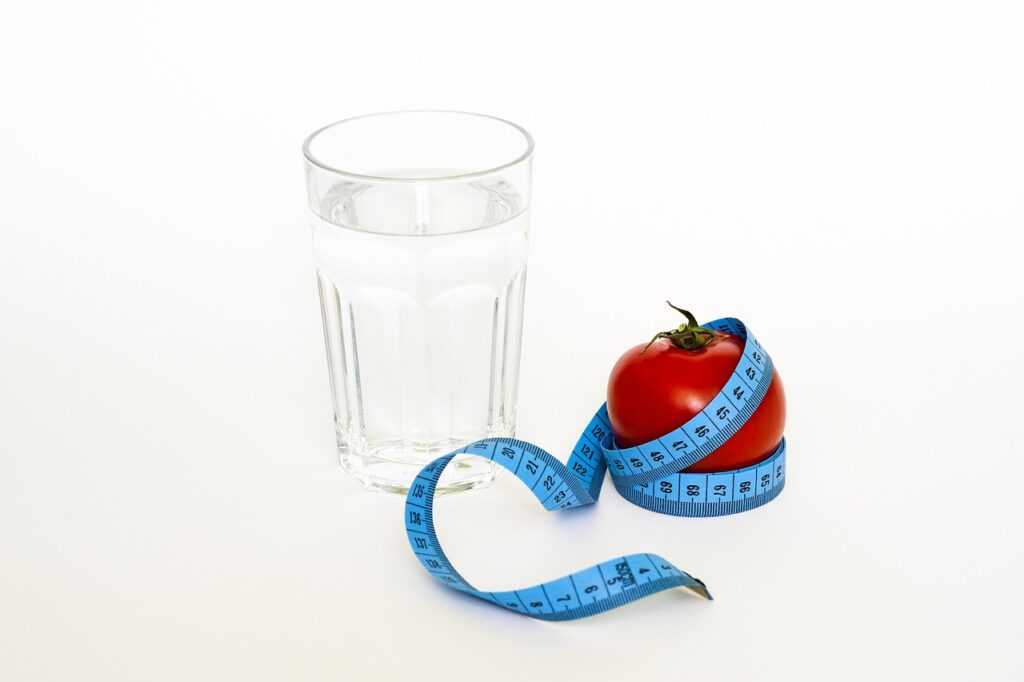
The Overlooked Power of Water
Despite its simplicity, water is often overlooked in the world of wellness. While diets, supplements, and workout plans dominate the conversation, hydration remains a powerful yet underappreciated factor in health, energy, and weight management.
Why Hydration Gets Sidelined
It’s not trendy: Unlike superfoods or fitness gadgets, water isn’t considered “marketable.”
It’s assumed to be basic: Many assume they’re already drinking enough or that hydration happens without effort.
Confusion around other beverages: Coffee and sodas are consumed in large amounts, but often don’t count toward proper hydration.
The truth is, water plays a foundational role in nearly every bodily function. Yet, many people underestimate its effects until they start feeling its absence.
Daily Water Demands in 2026: What’s Changed?
Modern lifestyles have shifted how much water the average person actually needs:
More hours indoors with artificial heating/cooling, which can increase water loss
Higher caffeine consumption, which acts as a diuretic
Busy, tech driven routines, leaving little room for mindful hydration
Greater emphasis on fitness, requiring higher fluid intake
Most health experts now recommend looking beyond the old 8 glass rule. Instead, hydration needs to be personalized based on body weight, activity level, diet, and even climate.
Signs You’re Not Drinking Enough (And Why It Matters)
Lack of hydration doesn’t always show up as thirst. Often, the warning signs are more subtle:
Persistent fatigue or low energy
Difficulty concentrating or feeling foggy
Dry mouth and skin
Slower recovery after exercise
Increased cravings or feeling hungry despite recent meals
Staying underhydrated even mildly can derail weight loss efforts, reduce motivation, and make workouts feel harder than they should. Your performance, both physically and mentally, relies on water far more than most people realize.
Hydration and Weight Loss: The Real Connection
Water doesn’t burn fat directly but it does help your body run the systems that do. Even mild dehydration slows down metabolism. Some studies point to a modest uptick in calorie burn around 2 3% after drinking cold water, as the body works to heat it. It’s not magic, but it’s momentum.
The idea that drinking water before meals reduces appetite isn’t just a wellness myth from old blog posts. Clinical research suggests that a glass or two before eating can help people feel fuller, faster leading to smaller portions without much effort. This isn’t a trick; it’s physiology. The stomach stretches, signaling satisfaction to the brain.
Water also plays a quiet but critical role in appetite regulation. When you’re dehydrated, the brain sometimes confuses thirst with hunger pushing people to snack when what they really need is just a drink. Staying well hydrated keeps this signal clear.
But the biggest shift isn’t just about how much water you drink it’s about how consistently you do it. Spread hydration across your day: a glass when you wake up, with meals, around workouts. Relying on huge bursts of water to “catch up” just leads to bathroom breaks, not lasting fat loss.
Skip the gimmicks. Build hydration into your rhythm. Your metabolism and your appetite signals will thank you.
Water and Energy: Beyond the Caffeine Fix
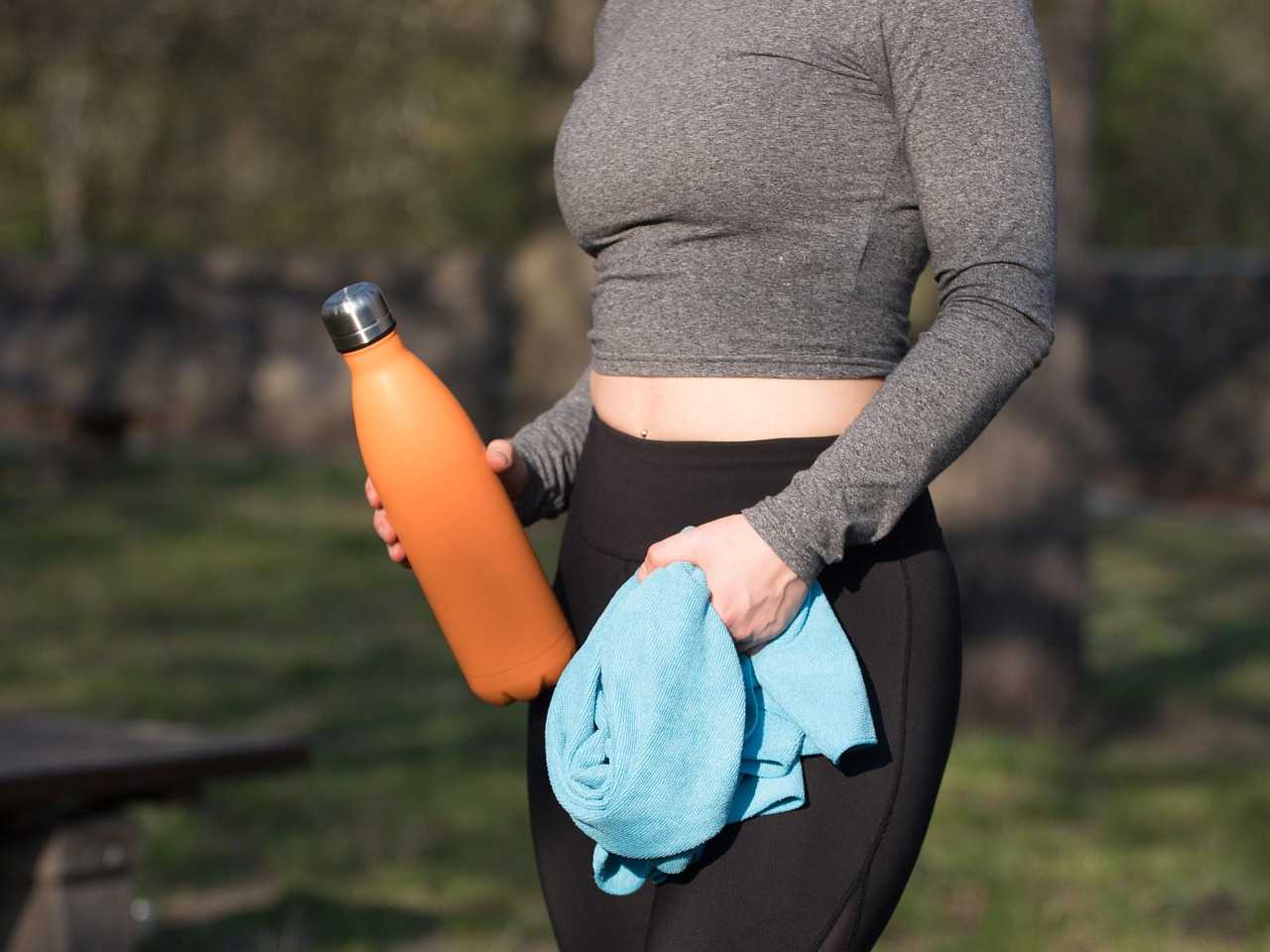
Your body runs on water the way a car runs on fuel. Dehydration doesn’t just make you thirsty it kicks off a physiological chain reaction that drags your energy levels down. Blood thickens. Circulation slows. Your heart works harder to do the basics. What does that feel like? Fatigue you can’t shake. Sluggish workouts. Afternoons that feel twice as long.
Your brain also takes a direct hit. Even mild dehydration just 1 to 2% can reduce cognitive performance. That’s brain fog. That’s mood swings. That’s losing your train of thought in the middle of a conversation. Water affects neurotransmitter function, meaning it doesn’t just keep you awake it helps you stay sharp.
Still reaching for coffee at 3 p.m.? You’re treating a symptom, not the root cause. Caffeine offers a temporary boost and then crashes you harder later. A hydration strategy drinking steadily through the day, not just chugging now and then keeps your energy more stable and sustainable.
Want better focus? Fewer mood dips? Real energy without the jitters? Start with a glass of water, not a second espresso. Stay ahead of the curve, not behind your thirst.
Activity Boost: Keeping Hydrated During Workouts
When you move, your body sweats. That’s not just water leaving it’s your built in cooling system at work. Hydration keeps your core temperature in check, helps muscles contract efficiently, and delays fatigue. Go into a workout even slightly underhydrated, and you’ll feel it: slower recovery, reduced endurance, and a weaker calorie burn overall.
Water alone isn’t a magic fix, but it’s the baseline. Without it, your performance plateaus fast. Muscles cramp easier. Your heart rate rises quicker. You tire out early. Hydrated muscles are efficient muscles ones that can handle volume and bounce back for the next round.
Also worth noting: hydration and nutrition go hand in hand. If you’re fueling with whole carbs and lean protein but skipping fluids, your body can’t make full use of those nutrients. A smarter strategy? Pair your water with quality fuel before and after workouts to maximize output and recovery.
Read more: Top Nutrient Dense Snacks for Pre and Post Workout Fuel
Easy, Practical Hydration Strategies
So, how much water do you really need? The classic 8 glasses a day rule is vague at best. A better starting point: aim for half your body weight in ounces. Weigh 160 pounds? That’s about 80 ounces a day. If you work out hard, live in a dry climate, or sweat a lot, that number goes up. Listen to your body but don’t wait until you’re thirsty. That’s lagging intel.
Tracking doesn’t need to be obsessive. Use a water bottle with markings, or set reminders until it becomes second nature. Spread it out. Chugging a liter in five minutes won’t help you as much as staying gently topped up from breakfast to bedtime.
Flavor can make or break the habit. Slices of citrus, mint, cucumber, or berries can turn bland tap water into something you’ll actually want to drink. Skip sugar loaded sports drinks unless you’re training intensely.
Now, make it part of your day. First thing after waking: drink. Before meals: drink. During training: sip, don’t gulp. Winding down at night: a small glass is enough. Hydration isn’t a hack it’s a baseline. Fit it into your workflow like you do meals or movement. You’ll feel the difference without needing a science degree to explain it.
Final Takeaways
Forget quick fixes. Forget superfoods with impossible price tags. If there’s one thing that consistently delivers across the board weight loss, energy, clarity it’s water. Not a gallon chugged sporadically, not a trendy detox. Just steady, daily hydration that becomes a habit, not a hack.
Water fuels your metabolism, reduces fake hunger, helps your brain fire clean, and keeps your body running efficiently. But here’s the key: it only works if you’re consistent. Slamming a liter after a dry week won’t cut it. Hydration is cumulative.
If you treat water like a supplement, you’re already behind. The smart move is to center your day around hydration. Build it into your meals, workouts, downtime. Make it automatic. When water isn’t an afterthought but the base for everything else you get the upside: stamina, sharper focus, and better fat burn. Simple, boring and powerful.
 Nolissa Kryndalla has opinions about mental health resources. Informed ones, backed by real experience — but opinions nonetheless, and they doesn't try to disguise them as neutral observation. They thinks a lot of what gets written about Mental Health Resources, Fitness Tips and Routines, Workout Techniques and Guides is either too cautious to be useful or too confident to be credible, and they's work tends to sit deliberately in the space between those two failure modes.
Reading Nolissa's pieces, you get the sense of someone who has thought about this stuff seriously and arrived at actual conclusions — not just collected a range of perspectives and declined to pick one. That can be uncomfortable when they lands on something you disagree with. It's also why the writing is worth engaging with. Nolissa isn't interested in telling people what they want to hear. They is interested in telling them what they actually thinks, with enough reasoning behind it that you can push back if you want to. That kind of intellectual honesty is rarer than it should be.
What Nolissa is best at is the moment when a familiar topic reveals something unexpected — when the conventional wisdom turns out to be slightly off, or when a small shift in framing changes everything. They finds those moments consistently, which is why they's work tends to generate real discussion rather than just passive agreement.
Nolissa Kryndalla has opinions about mental health resources. Informed ones, backed by real experience — but opinions nonetheless, and they doesn't try to disguise them as neutral observation. They thinks a lot of what gets written about Mental Health Resources, Fitness Tips and Routines, Workout Techniques and Guides is either too cautious to be useful or too confident to be credible, and they's work tends to sit deliberately in the space between those two failure modes.
Reading Nolissa's pieces, you get the sense of someone who has thought about this stuff seriously and arrived at actual conclusions — not just collected a range of perspectives and declined to pick one. That can be uncomfortable when they lands on something you disagree with. It's also why the writing is worth engaging with. Nolissa isn't interested in telling people what they want to hear. They is interested in telling them what they actually thinks, with enough reasoning behind it that you can push back if you want to. That kind of intellectual honesty is rarer than it should be.
What Nolissa is best at is the moment when a familiar topic reveals something unexpected — when the conventional wisdom turns out to be slightly off, or when a small shift in framing changes everything. They finds those moments consistently, which is why they's work tends to generate real discussion rather than just passive agreement.