The Overload We Don’t Notice
It’s 2026, and your brain is exhausted even if you don’t realize it. The average day now includes hundreds of notifications, dozens of platform switches, and more scrolling than walking. It’s constant input, but little reflection. The result? Fractured attention, shallow focus, and a kind of digital fatigue that no amount of caffeine can solve.
This saturation isn’t just tiring it’s chemical. Every ping and swipe lights up the brain’s reward system, triggering tiny dopamine bursts. Over time, we start chasing those hits while attention spans shrink. The cortisol kicks in too, especially when we’re bouncing between doomscrolling and work emails. The body reads this as stress, even if you’re just lying on the couch.
The net effect is a brain stuck in stimulus response mode. Less time for deep thought, more reliance on quick hits. And the worst part? It feels normal until you step away and feel what normal actually is.
The Real Benefits of a Digital Detox
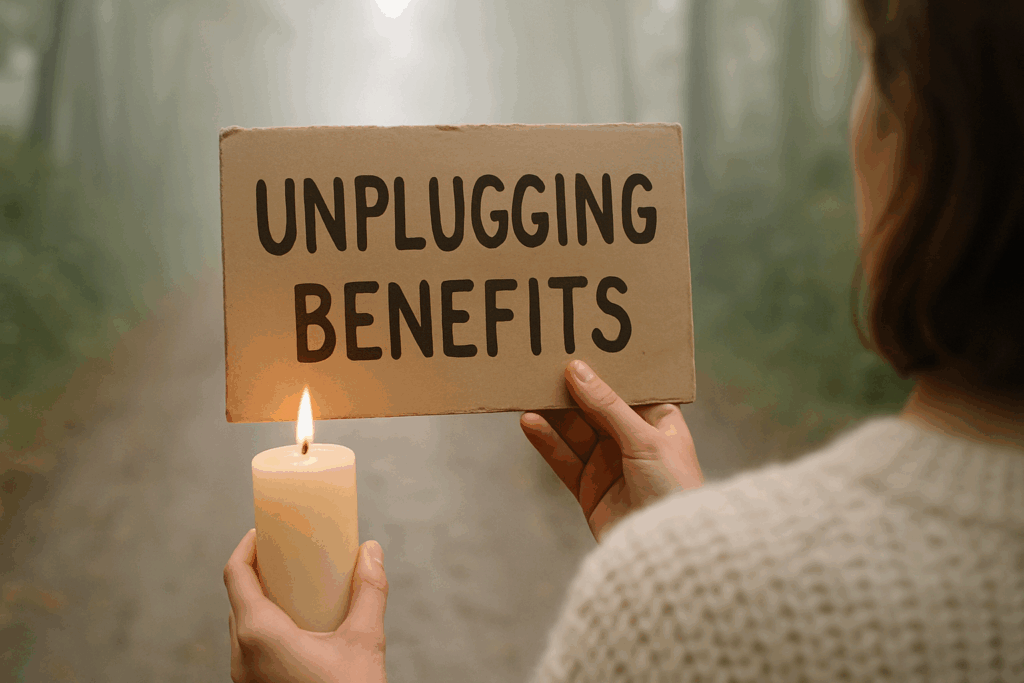
You don’t have to disappear into a cabin in the woods to feel the payoffs. Just stepping back from constant screen time can clear mental fog fast. When you remove the endless scroll and stop jumping between notifications, your brain finally gets room to think. Deep work doesn’t happen by accident it needs quiet, space, and fewer algorithmic distractions.
Mood matters too. Studies show that less digital stimulation leads to more emotional stability. If you’re wired and restless by default, it’s probably not just you it’s the input overload. Pulling back even slightly dials down anxiety, sharpens your emotional baseline, and gives your nervous system room to reset.
Sleep’s another casualty in a hyper plugged world. Screens mess with melatonin and keep your brain on alert long after sunset. By unplugging earlier more dark, less blue light you’re actually letting your body remember what rest feels like.
And relationships? Watch what happens when you stop looking past people to check your phone. Real presence is rare now eye contact hits deeper, conversations stretch longer, and connection feels more human again. Detoxing isn’t just about you it’s about how you show up for others too.
Simple Ways to Unplug Without Going Off the Grid

You don’t need a cabin in the woods to feel human again. Small, deliberate choices go a long way.
Start with a 1 hour phone blackout. Do it in the morning before the world gets loud, or in the evening when your brain needs to shut down. No scrolling, no texts. Let your mind idle. Boredom is underrated it’s where ideas begin.
Then try an off app weekend or something lighter like “silent Sundays.” No social feeds, no notifications. Set a status or autoshare beforehand so your friends don’t think you vanished. What matters is making disconnection a casual, regular habit not a grand statement.
Screen time tools aren’t the enemy, either. Most phones offer settings that block apps after a limit. Use them. It’s okay to let the machine help you outsmart itself.
And don’t underestimate airplane mode. It’s a button that says: not now. Emails can wait. Messages pile up they always do. But focus doesn’t. Use it to claim your headspace back, even if it’s only for a lunch break or a walk.
None of this is perfection. It’s a reset. That’s the point.
Healthy Replacements That Support the Detox
Unplugging is only half the story. The other half is knowing what to do with that quiet space. Start simple: walking no destination, no headphones, just movement. There’s clarity in the rhythm of your steps. Reading, especially on paper, helps rewire your focus. Analog activities like sketching, building, gardening, or cooking with intention aren’t just filler they reconnect thought and action in a way screens can’t.
Your environment matters too. Build tech free zones in your home. No screens in the bedroom, no phones at the dinner table, maybe even a dedicated corner with books, plants, and silence. These little pockets of analog life give your brain space to breathe.
Then there’s journaling. Old school? Yes. Effective? Absolutely. When your mind is racing or clouded, writing by hand slows you down and sharpens what matters. It’s not about perfect sentences it’s about getting thoughts out where you can see them. You don’t need a leather bound notebook either. Just a few minutes a day, consistently, pays off.
If you’re curious about how journaling deepens focus and boosts emotional awareness, take a look here: The Power of Journaling for Mental Clarity and Emotional Health.
When to Know You Need It
That low key burnout you’ve been ignoring? It’s not just you. Brain fog that won’t lift. Feeling snappy over nothing. Scrolling yourself into a hole at 2 a.m. and wondering why you feel worse after. These are the red flags. They creep up slowly, but they mean it’s probably time for a reset.
Here’s the good news: a digital detox doesn’t have to be dramatic. You don’t need a remote cabin or to smash your phone. It just has to start. A small shift a tech free morning routine, a screen free Sunday, even just removing one low value app can change the tone of your week.
The real key is rhythm. Some people unplug a little every day, others prefer a reboot every few weeks. You don’t need a perfect system. You need one that fits your life. Whether it’s weekly breaks or seasonal resets, establish your own cadence. Your brain will thank you for it quietly, calmly, and without the need for a ping.
One Step at a Time
Digital detoxing isn’t about deleting every app and moving to a cabin in the woods. It’s about small shifts. Better choices. Progress over perfection.
This isn’t a war on tech it’s a matter of control. Instead of letting your phone dictate your attention span and your mood, use it on your terms. Set intention before habit. Open an app because you have a purpose, not because your thumb’s running on autopilot.
That shift purpose over impulse is where you reclaim focus. It’s where your time starts working for you again. And as the noise calms down, what surfaces is clarity. Conversations deepen. Thoughts settle. Real connection, both to yourself and to others, starts to breathe again.
You don’t need a total life reset. Just a willingness to pause, even briefly. The rest builds from there.
 Dannylo Rogerstone is the kind of writer who genuinely cannot publish something without checking it twice. Maybe three times. They came to wellness strategies through years of hands-on work rather than theory, which means the things they writes about — Wellness Strategies, Workout Techniques and Guides, Fitness Tips and Routines, among other areas — are things they has actually tested, questioned, and revised opinions on more than once.
That shows in the work. Dannylo's pieces tend to go a level deeper than most. Not in a way that becomes unreadable, but in a way that makes you realize you'd been missing something important. They has a habit of finding the detail that everybody else glosses over and making it the center of the story — which sounds simple, but takes a rare combination of curiosity and patience to pull off consistently. The writing never feels rushed. It feels like someone who sat with the subject long enough to actually understand it.
Outside of specific topics, what Dannylo cares about most is whether the reader walks away with something useful. Not impressed. Not entertained. Useful. That's a harder bar to clear than it sounds, and they clears it more often than not — which is why readers tend to remember Dannylo's articles long after they've forgotten the headline.
Dannylo Rogerstone is the kind of writer who genuinely cannot publish something without checking it twice. Maybe three times. They came to wellness strategies through years of hands-on work rather than theory, which means the things they writes about — Wellness Strategies, Workout Techniques and Guides, Fitness Tips and Routines, among other areas — are things they has actually tested, questioned, and revised opinions on more than once.
That shows in the work. Dannylo's pieces tend to go a level deeper than most. Not in a way that becomes unreadable, but in a way that makes you realize you'd been missing something important. They has a habit of finding the detail that everybody else glosses over and making it the center of the story — which sounds simple, but takes a rare combination of curiosity and patience to pull off consistently. The writing never feels rushed. It feels like someone who sat with the subject long enough to actually understand it.
Outside of specific topics, what Dannylo cares about most is whether the reader walks away with something useful. Not impressed. Not entertained. Useful. That's a harder bar to clear than it sounds, and they clears it more often than not — which is why readers tend to remember Dannylo's articles long after they've forgotten the headline.